New Balance has been on a serious run lately.
The 2002R blew up almost overnight, turning a once-overlooked running shoe into a lifestyle staple that somehow works in every colorway.
Riding that momentum, New Balance went back into the archives again and brought out the 1906, another performance-rooted runner from the 2010s that’s now firmly planted in the streetwear world.
But here’s where things get interesting, and confusing. As soon as the 1906 hit shelves, the sizing debate started.
Do you go true to size? Half size down? Does it fit small or big compared to the 2002R?
If you’ve been scrolling through comments trying to figure out New Balance 1906 sizing, you’re definitely not alone.
This guide breaks it all down.
We’ll go through how the 1906 fits, whether it runs small or big, how different versions like the 1906R, U, N, A, and even the 1906L loafer compare, and why some colorways and collabs feel different on foot.
The goal is simple: help you pick the right size.
Oh, and if you’re also looking at slimmer, more tapered New Balance silhouettes, I’ve got a full New Balance 327 sizing guide.
Now let’s get right into it…
New Balance 1906 Sizing
Quick Sizing Takeaway (For People in a Hurry)
If you just want the short answer before diving into all the details, here’s the big picture on New Balance 1906 sizing across the different versions and collabs:
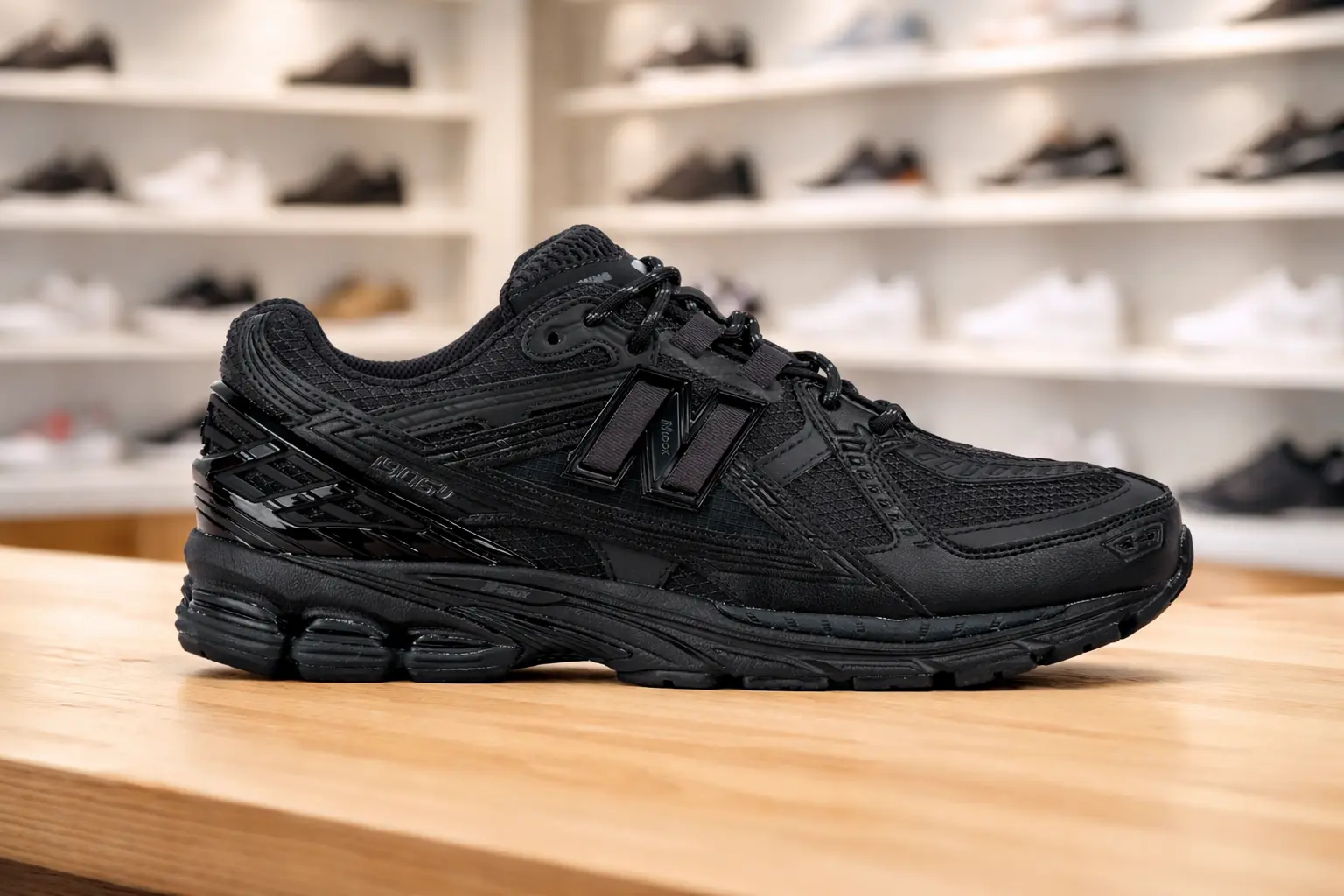
– 1906R / 1906D (standard models): These fit true to size for most people. They feel snug and secure through the midfoot because of the N-Lock system, but not tight enough to require sizing up unless you have very wide feet.
– Refined Future 1906R / 1906D: Still true to size, but noticeably more roomy and wide-foot friendly than regular mesh/synthetic pairs.
– 1906U (Utility): Runs slightly roomier, especially in length. True to size works, but if you’re between sizes and like a snug fit, you can consider sizing down carefully.
– 1906N: Also a bit longer than the standard 1906R. True to size is safe; narrow-footed wearers who want a tighter fit may experiment with half size down.
– 1906A: Fits very similar to the regular 1906R. True to size is the easiest choice.
– 1906L (Loafer): This one fits very differently from the rest of the 1906 lineup. The interior is thin and unpadded like a traditional loafer, and the toe box runs tight. Going half a size up from your regular New Balance size is strongly recommended for most people. Very wide feet may struggle with this model, and going a full size up can lead to heel slippage due to the laceless design.
If you already know how your feet usually fit in New Balance, that alone will get you very close. The sections below break down why these differences exist and how to fine-tune your size depending on foot shape and preferences.
Related: The New Balance 1906 feels more structured than the 530, so this New Balance 530 sizing article helps explain the difference.
New Balance 1906R / 1906D
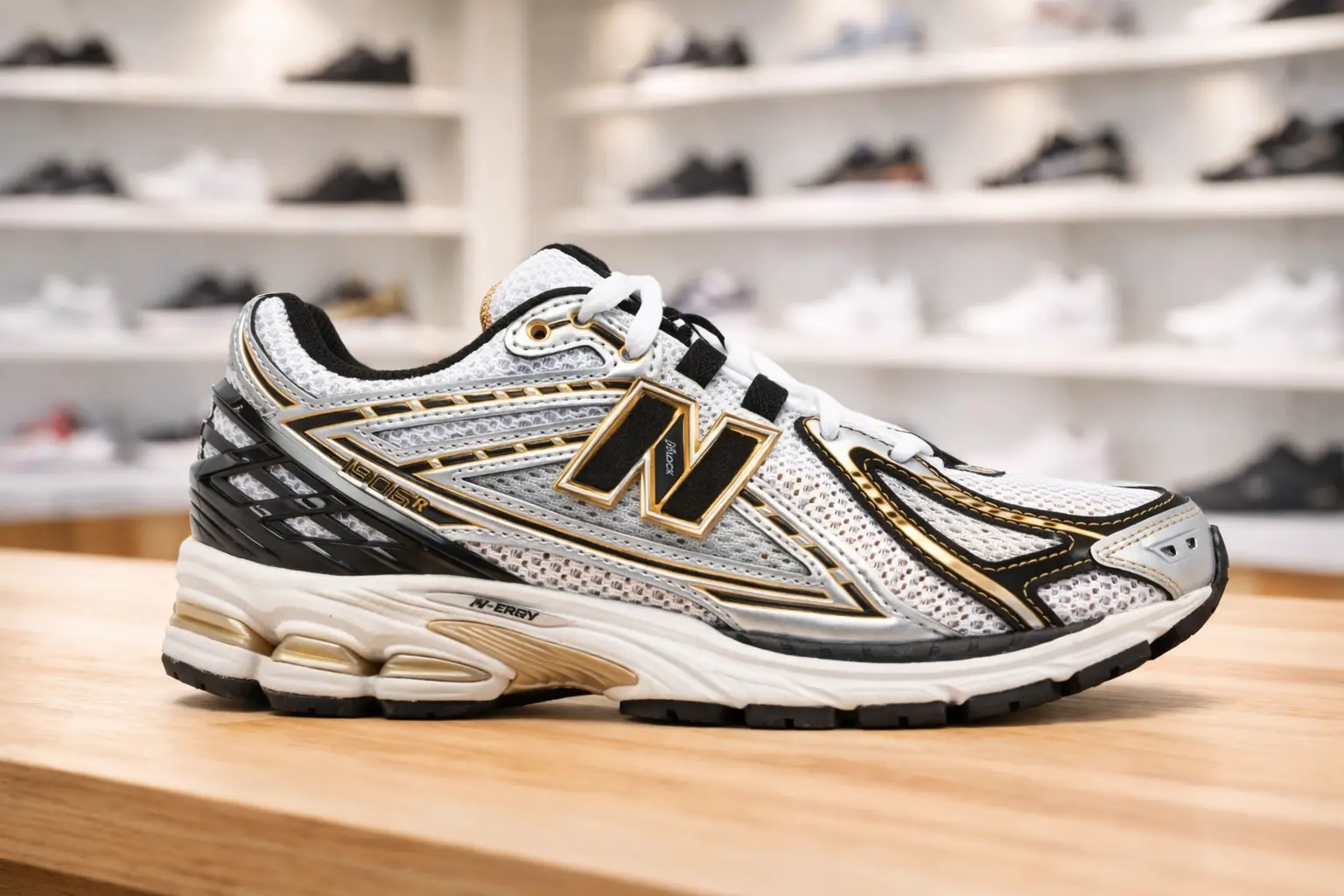
The New Balance 1906R and 1906D share the same core fit, and after wearing multiple pairs, I can confidently say they run true to size, but with a few important details you should know before choosing your size.
For reference, my foot measures as a true size 9 on a Brannock device and sits slightly on the wider side (between a D and an E). I went with a size 9 in the 1906R and 1906D, and that ended up being the right call.
Related: I also compared it to newer runners, so here’s a breakdown of how the New Balance 740 wears.
How They Fit On Foot
At true to size, the 1906R gives me a secure, one-to-one fit that feels slightly snug but still very comfortable. There’s about a finger’s width of space between my longest toe and the front of the shoe, which is exactly what I look for in a daily sneaker.
Length-wise, everything feels balanced, and from a width perspective, my foot feels supported without being crushed.
Some people describe the 1906R as running snug, and I understand why. Compared to models like the 2002R, the 1906R definitely feels more locked in, especially through the midfoot area.
That sensation mostly comes from the N-Lock system, which pulls the upper in tighter around your foot. That said, it never crossed the line into discomfort for me, and it wasn’t enough to make me consider sizing up.
Related: If you’re wondering how the 1906R compares in length and width, check out my New Balance 2010 fit guide to see whether it runs big, small, or true to size.
True to Size vs. Sizing Down
I’ve seen people recommend going half a size down in the 1906R, but personally, I don’t see how that works unless you have very narrow feet.
Even at true to size, the shoe already fits on the snug side. When I tried going half a size down, my pinky toe immediately felt cramped, and the overall fit became too tight to be enjoyable.
True to size gives the shoe enough room in the toe box while still maintaining that snug, performance-inspired feel New Balance clearly intended with this model.
What If You Have Wide Feet?
This is where things get more specific.
The 1906R fits tighter than the 2002R, particularly through the midfoot. If your feet are narrow, normal, or only slightly wide, I’d stick with true to size.
If your feet are very wide, this model might be tricky. You could try going up half a size, but even then, the midfoot structure doesn’t open up dramatically.
Going a full size up would likely fix the width issue but introduce too much length, which creates a different problem altogether.
Because of that, if you have extremely wide feet, this might simply not be the best silhouette for you.
How They Compare to Other Sneakers
Just to give you a clear point of comparison, I don’t size the same across all New Balance models.
I usually stick true to size (9) in silhouettes that feel a bit narrower or more streamlined, like the Action Bronson x New Balance 1890, 2002R, 860 V2, 997, 990v2, and most Made in UK pairs such as the 991, 991v2, 1500, and 1530.
Those models already have a tighter toe box or a more precise shape, so going down would feel too cramped for my feet.
On the other hand, I almost always go half a size down to an 8.5 in many Made in USA New Balance models. That includes the 992, 993, 990v3, 990v4, 990v5, 990v6, most 550s, and the 998.
Those tend to run longer overall, and sizing down helps me avoid excess length and heel slip while still feeling comfortable once broken in.
This is why the 1906R works best for me true to size. It lines up much closer with models like the 2002R and 997 than with the longer Made in USA silhouettes.
If you’re coming from Nike, this will help:
- I wear the same size in the 1906R as I do in Nike Dunks, most of my Air Jordans, Air Max 1, and Air Max 90.
- If you already know your usual Nike size, you can confidently start there with the 1906R.
Overall Fit Summary (So Far)
- Runs true to size
- Slightly snug and locked-in, especially through the midfoot
- More structured than the 2002R due to N-Lock
- No heel slippage issues at true to size
- Half size down feels too tight for most people
- Half size up only makes sense for wider feet, and even then, with caution
We’ll dial things in even more once we cover the 1906N and 1906U, since those introduce some meaningful fit differences.
Related: If you’re also considering chunkier New Balance models, make sure to check out my full New Balance 9060 sizing guide, where I break down whether the 9060 runs big or small and how it compares fit-wise to models like the 1906 and 2002R.
New Balance 1906R Colorways & Collab Fit Differences
While the New Balance 1906R is generally consistent in sizing, I did notice small but real fit differences across certain colorways and collaborations.
None of these changes are drastic, but if you’re sensitive to snugness or sit between sizes, they’re worth paying attention to.
New Balance 1906R “Harbor Grey / Silver Metallic”
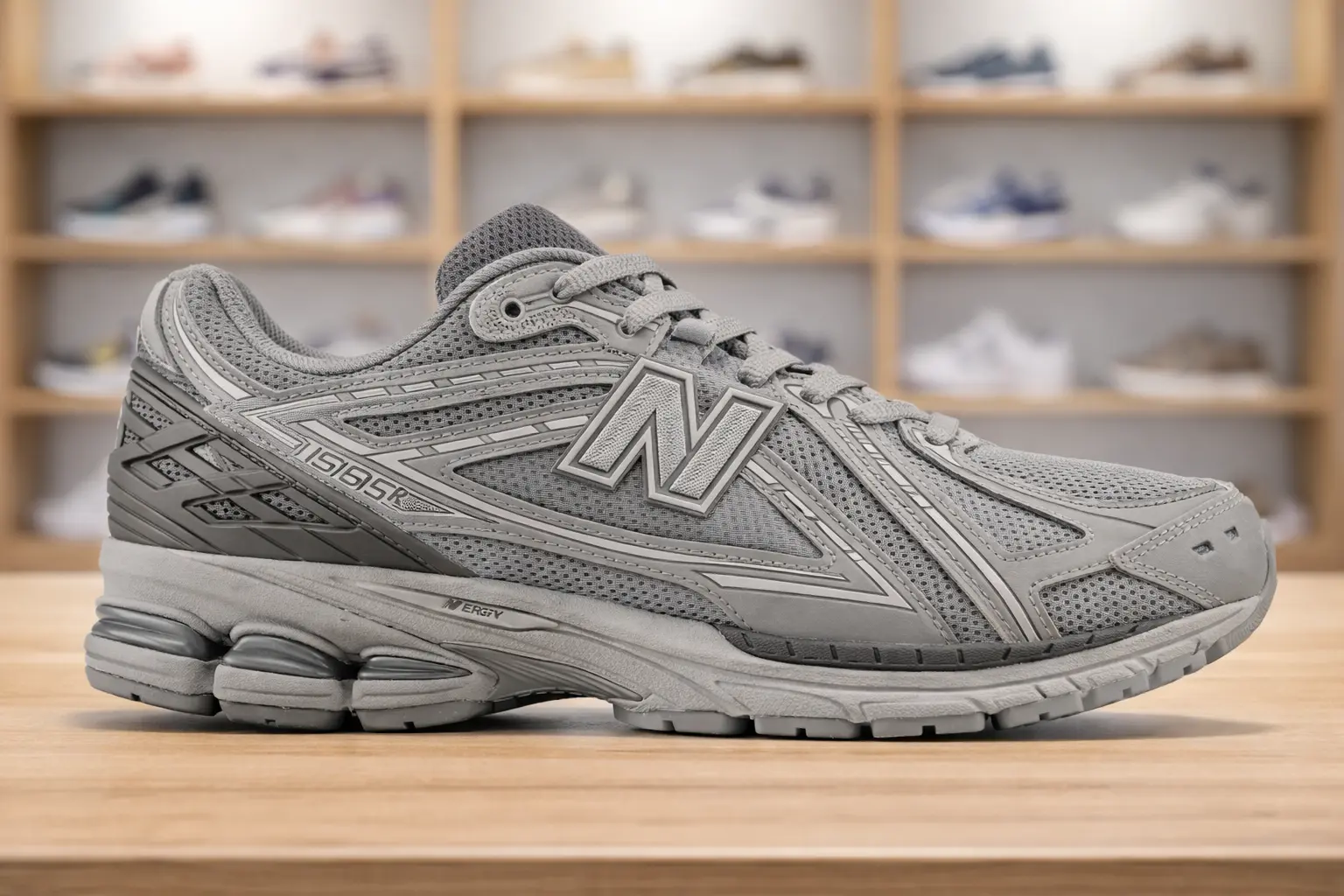
In my true size 9, this pair felt slightly more snug than a standard 1906R. It wasn’t enough to justify going up half a size, but the difference was noticeable when compared to other pairs in my rotation.
If you’re someone who sits between sizes and dislikes a tight, one-to-one fit, moving up to the larger size could make sense here. For most people, though, sticking with your normal 1906R size is still the right move.
New Balance 1906R / 1906D (Refined Future Pack)
These stood out in the opposite direction.
In a size 9, the Refined Future pairs felt slightly roomier and more wide-foot friendly than other 1906R colorways made with traditional mesh and synthetic leather.
The materials and construction seem to allow a touch more flexibility in the upper.
But even with that extra room, I’d still recommend true to size for most people. If you’re in between sizes and prefer a very snug, locked-in feel, this is one of the rare 1906R pairs where going half a size down could work, especially for narrower feet.
Action Bronson x New Balance 1906R
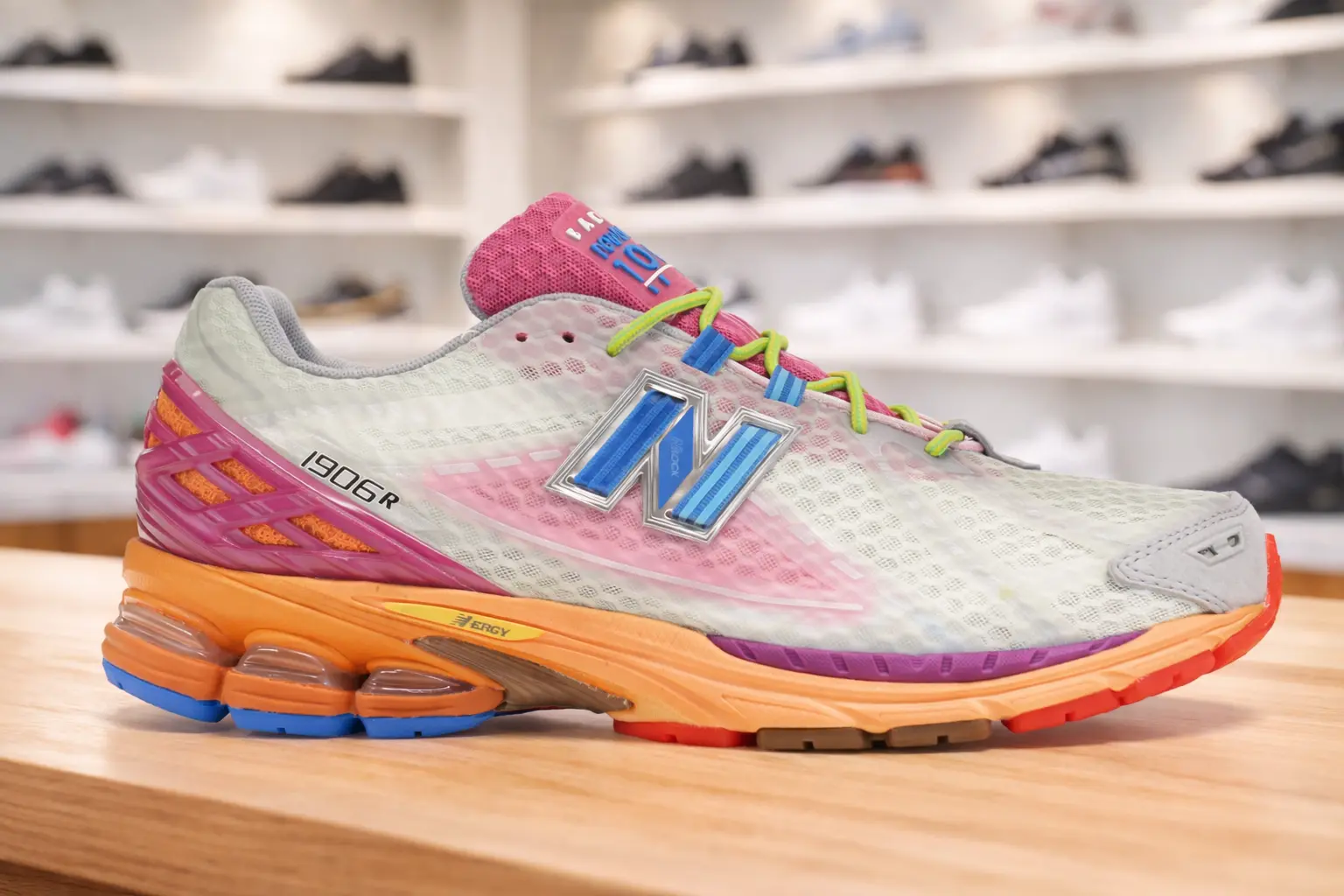
This collab fits true to size, but with a slightly snugger toe box than a standard shelf pair. The snugness is noticeable, but not uncomfortable, and definitely not enough to justify sizing up for me.
If you’re between sizes and like more breathing room, going up to the larger size is a safe option. Otherwise, true to size works well for narrow, normal, and slightly wide feet.
Wider-footed wearers may feel more comfortable going up half a size here.
Aimé Leon Dore x New Balance 1906R
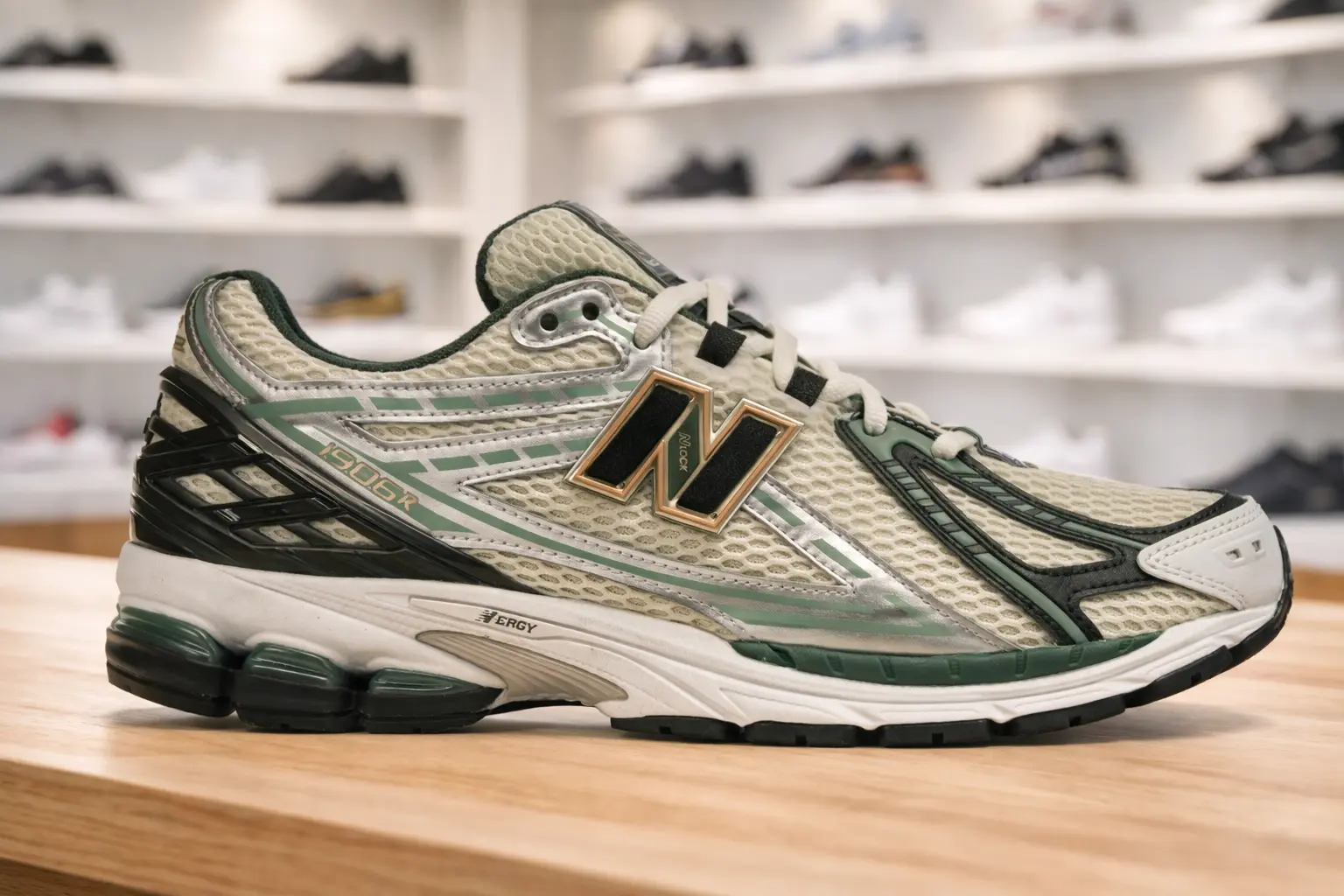
This is one of the snuggest 1906R collabs I’ve worn.
In my usual size 9, the fit felt secure and tight in a classic, performance-style way. Compared to the Refined Future pairs, these are noticeably less roomy and much closer to the original 1906R fit.
If you have narrow, normal, or slightly wide feet and enjoy a snug, one-to-one fit, true to size is ideal. If your feet lean wide, this is one of the 1906R collabs where half a size up makes sense to avoid pressure.
Collabs That Fit Like the Regular 1906R
The following collaborations fit just like a standard 1906R, with no meaningful changes to length, width, or overall structure. Whatever size works for you in a regular pair will work here as well:
- GANNI x New Balance 1906R
- Up There x New Balance 1906R
- thisisneverthat x New Balance 1906R
- Kith x New Balance 1906R
- Invincible x N.Hoolywood x New Balance 1906R
- SSENSE x New Balance 1906R
- Size? x New Balance 1906R
- Footpatrol x New Balance 1906R
- Comme des Garçons Homme x New Balance 1906R
- Auralee x New Balance 1906R
- Salehe Bembury x New Balance 1906R
New Balance 1906U Sizing
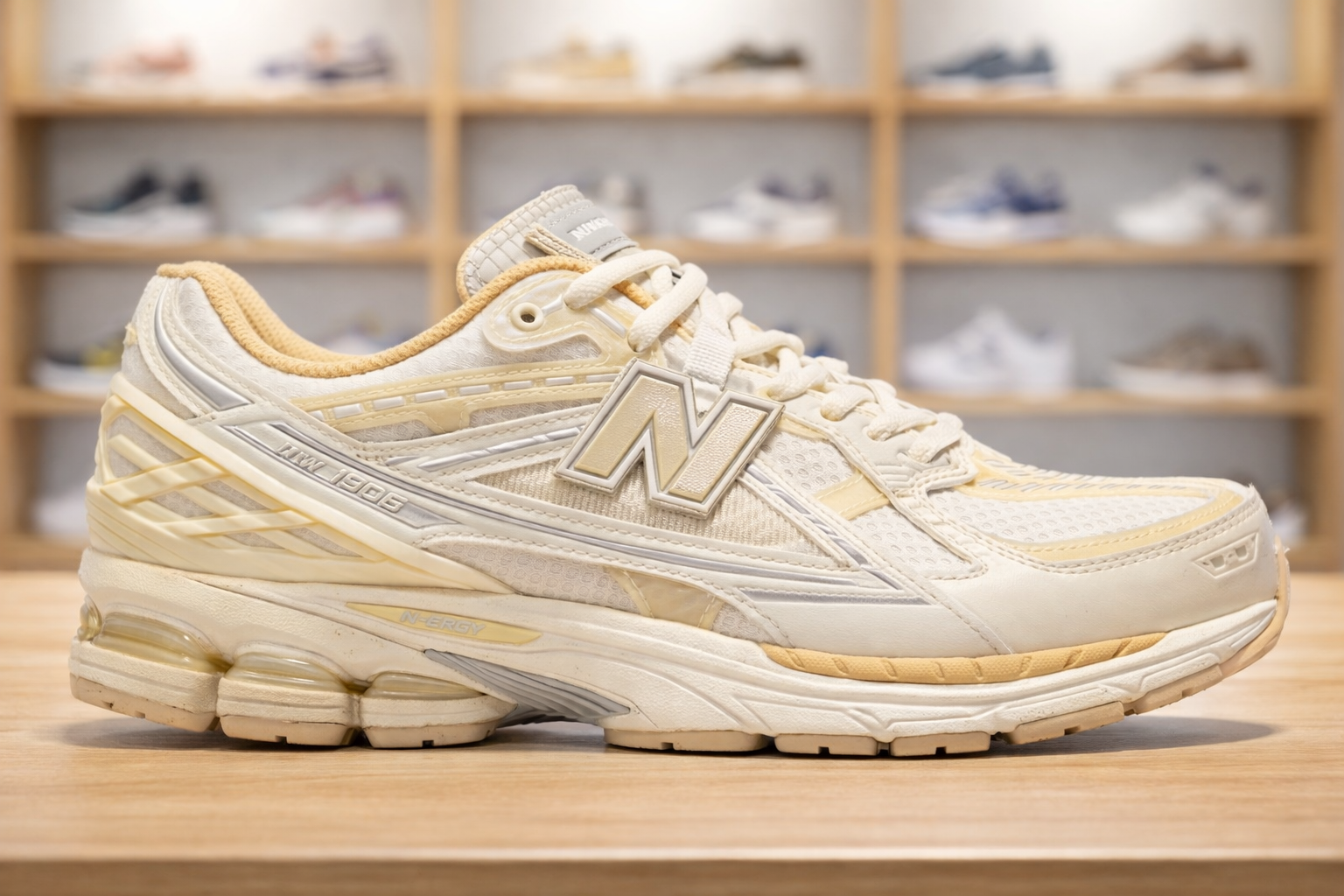
The 1906U (Utility) is where things start to feel a little different compared to the standard 1906R.
In my experience, the 1906U runs slightly roomier overall, especially lengthwise.
I usually wear a size 9 in most 1906R pairs, so that’s the size I went with here. At true to size, the shoe fit fine, but I immediately noticed a bit of extra length compared to my regular 1906R.
It honestly felt like an “in-between” size would’ve been perfect. If an 8.75 existed, that’s probably where I’d land.
Going all the way down to an 8.5 does work, but for me, it starts to feel a little snug in certain areas of the toe box, even though the width itself is still fine.
That’s why I don’t automatically recommend sizing down a full half size for everyone.
Here’s how I’d break it down:
If you’re in between sizes and you like a snug, one-to-one fit, you can consider going down to the smaller size.
If you normally find the 1906R fits you perfectly, I wouldn’t rush to size down. The extra length in the 1906U isn’t extreme enough to make true to size unwearable.
If you have wider feet, sticking true to size is the safer move. Sizing down may start to feel tight through the forefoot.
One thing worth noting: not all 1906U colorways fit exactly the same. Some pairs (like earlier Sand Dune versions) felt noticeably more oversized, closer to a quarter to half size longer, while others feel closer to standard true to size.
Still, the overall theme remains the same: roomier than a 1906R, but not wildly oversized.
New Balance 1906A Sizing
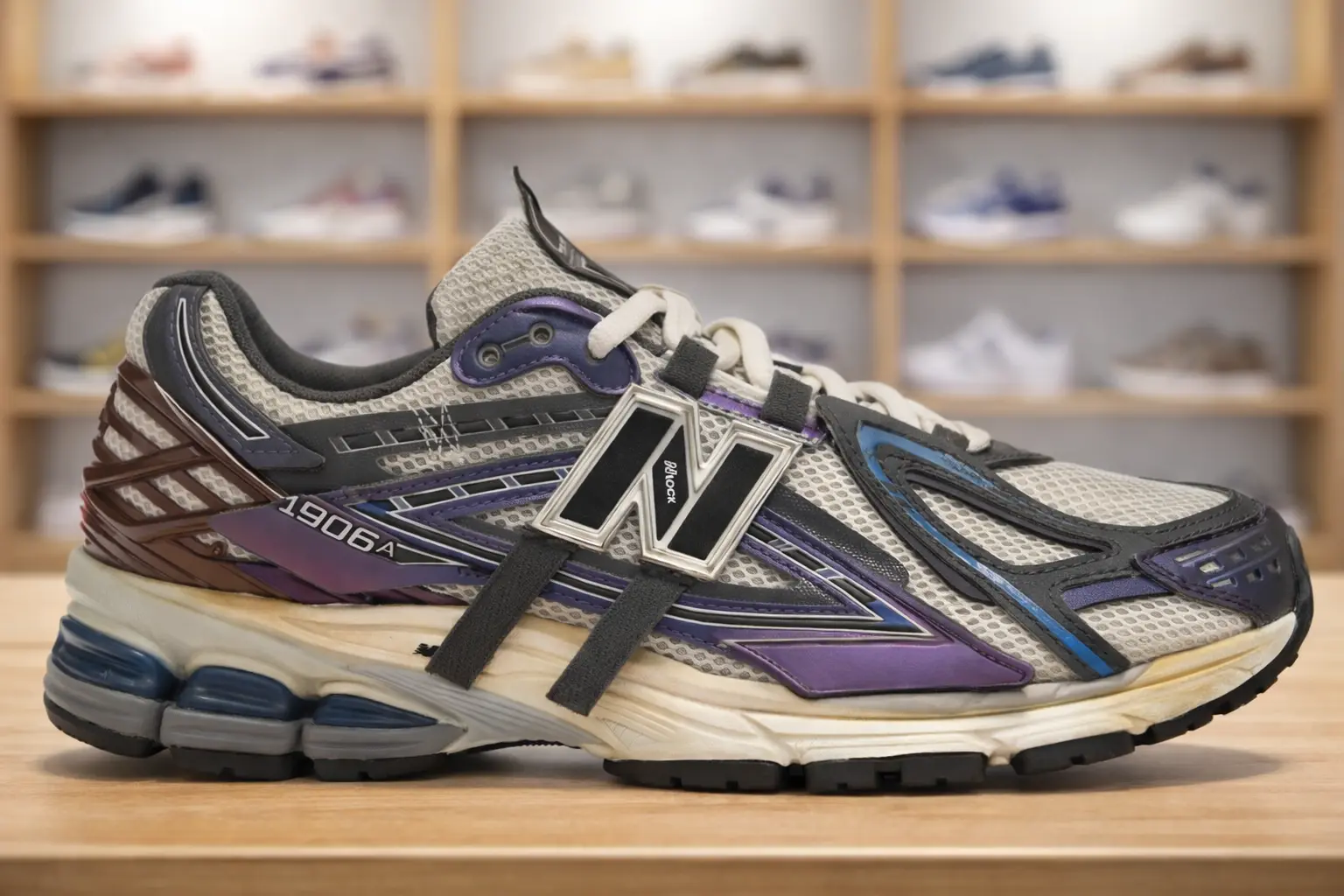
The 1906A is much more straightforward.
I went with my true size 9, which is what I wear in most 1906R pairs, and the fit felt spot on. No unexpected length issues, no awkward pressure points, and no need to overthink it.
- The shape and internal volume feel very familiar if you’ve worn the regular 1906R.
- If you have narrow, normal, or slightly wide feet, I’d go true to size.
- If you have really wide feet, going up half a size could make sense, especially if you prefer more breathing room.
In terms of overall fit, the 1906A lines up closely with models like the 2002R, 860 V2, 991, and 1500, where true to size usually works best. It doesn’t feel long like some Made in USA models, and it doesn’t feel unusually snug either.
New Balance 1906N Sizing
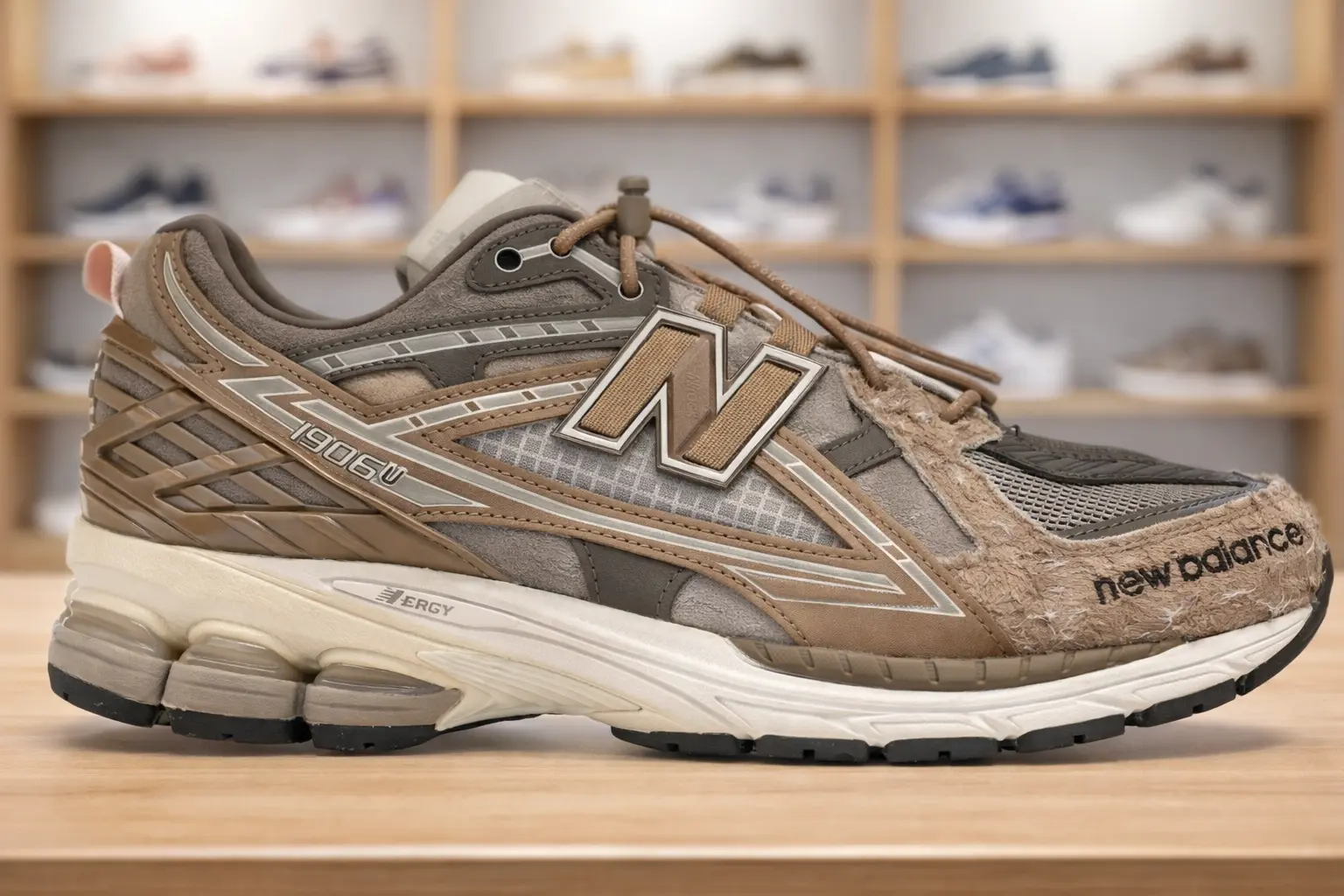
The 1906N sits closer to the 1906U than the standard 1906R in terms of fit.
When I tried these in my usual size 9, they felt noticeably roomier lengthwise. There was about a thumb’s width of space in front of my toes, whereas in most of my 1906R pairs, I usually have closer to an index finger’s width, which is my personal sweet spot.
- That extra length isn’t necessarily a problem, but it does change the feel.
- If you have narrow or normal-width feet and you like a very precise, snug fit, you could experiment with going half a size down.
- If you have wider feet, or you don’t want to gamble, sticking true to size is the safer option.
Personally, I don’t think the extra length is drastic enough that sizing down is required for most people, but it is noticeable compared to a standard 1906R.
I’m actually curious to test an 8.5 in this model myself, but based on real wear, true to size still works, just with a bit more room up front.
Quick takeaway for these variants:
1906U → Slightly roomier than 1906R, especially lengthwise. True to size works, but in-between sizes can size down carefully.
1906A → Fits very similar to the regular 1906R. True to size is the move for most people.
1906N → A bit longer than standard 1906R. True to size is safe, but narrow-footed wearers who want a snug fit can consider half size down.
New Balance 1906L Loafer Sizing
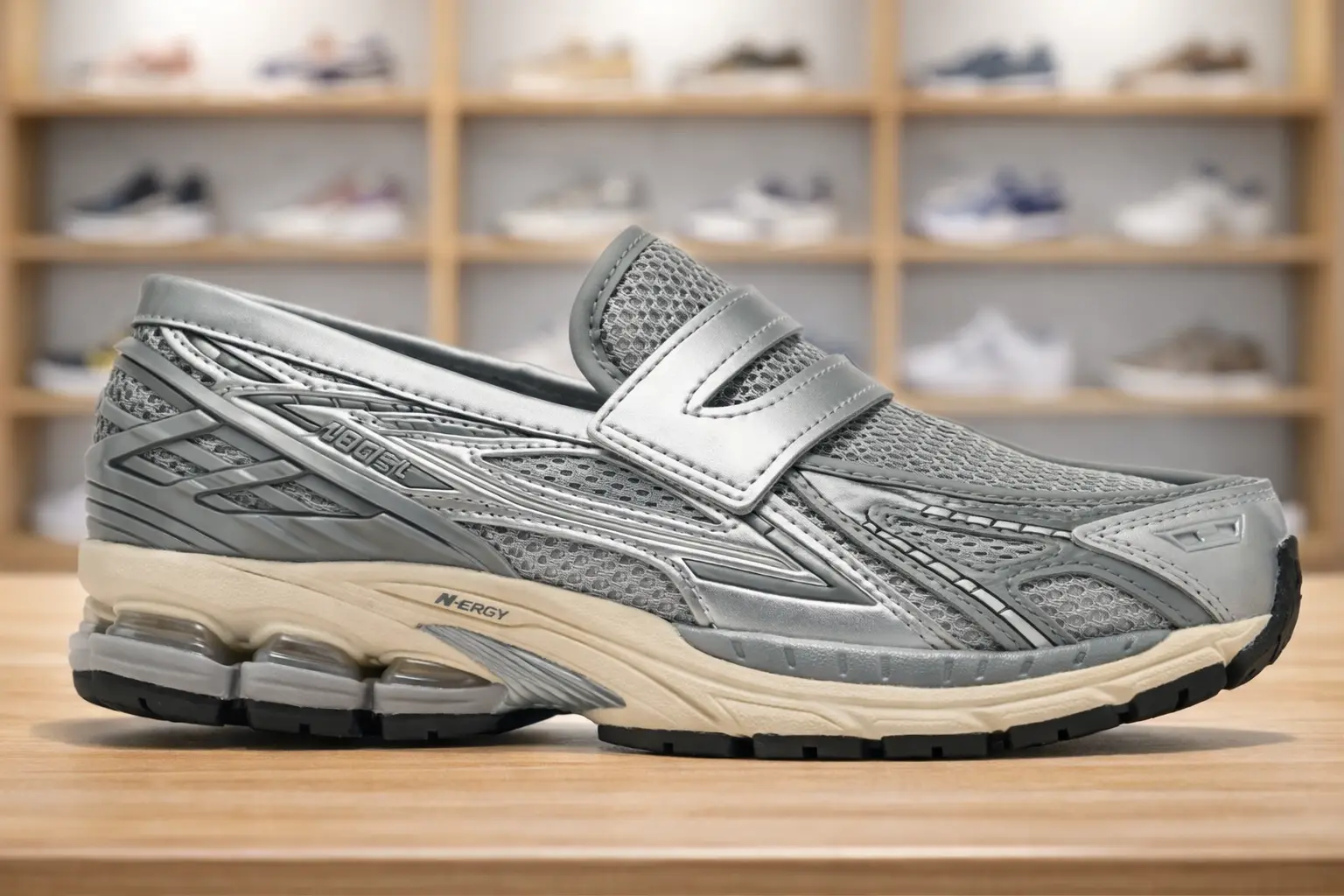
This one deserves its own section because the 1906L does not fit like the regular 1906R at all.
First thing you notice when you put them on is the interior feel. There’s barely any padding inside. It feels thin, almost stripped down, which honestly makes sense because this shoe is borrowing from the loafer world.
And if you’ve ever worn loafers before, you already know what that usually means for sizing.
Most loafers run tight. And a lot of people size down in loafers.
I normally wear between an 8.5 and 9 in New Balance sneakers. I’ve gone half a size down or even a full size down in traditional penny loafers plenty of times. So going into the 1906L, I honestly had no idea what size to grab.
I watched early reviews, and a lot of people mentioned the same thing. These feel tight.
I tried them in my true size 9, and yeah… they felt very tight. The toe box in particular feels narrow and compressed. It honestly felt like my toes were pushing right up against the mesh, especially around the big toe area.
Because of that, I’d strongly recommend going up at least half a size from your usual New Balance size in the 1906L.
Going half a size up made a big difference. The shoe still stays on securely, but the pressure in the toe box eases up, and the fit becomes wearable instead of restrictive.
Now, a quick reality check for wide feet.
If you have very wide feet, I don’t really think the NB 1906L is ideal for you. I wouldn’t suggest going a full size up either, because once you add that much length, you’re probably going to run into heel slip.
And since this shoe doesn’t have laces, there’s no way to really lock it down.
Half a size up is the sweet spot for most people with normal-width feet.
There’s another thing worth thinking about too. Socks…
This is a shoe you’ll probably wear year-round. In colder months, you’re likely throwing on thicker socks. That extra room from sizing up actually helps a lot. In warmer months, with thinner socks, the shoe still stays on fine and doesn’t feel sloppy.
So here’s the simple takeaway for the 1906L:
- Interior is thin and loafer-like
- Toe box runs tight, especially at true size
- Half size up from your regular New Balance size works best for most people
- Very wide feet may struggle with this model
- Full size up is risky because of heel slippage
New Balance 1906 Size Chart
Men
| US Men | US Women | UK | EU | CM |
|---|---|---|---|---|
| 4 | 5.5 | 3.5 | 36 | 22 |
| 4.5 | 6 | 4 | 37 | 22.5 |
| 5 | 6.5 | 4.5 | 37.5 | 23 |
| 5.5 | 7 | 5 | 38 | 23.5 |
| 6 | 7.5 | 5.5 | 38.5 | 24 |
| 6.5 | 8 | 6 | 39.5 | 24.5 |
| 7 | 8.5 | 6.5 | 40 | 25 |
| 7.5 | 9 | 7 | 40.5 | 25.5 |
| 8 | 9.5 | 7.5 | 41.5 | 26 |
| 8.5 | 10 | 8 | 42 | 26.5 |
| 9 | 10.5 | 8.5 | 42.5 | 27 |
| 9.5 | 11 | 9 | 43 | 27.5 |
| 10 | 11.5 | 9.5 | 44 | 28 |
| 10.5 | 12 | 10 | 44.5 | 28.5 |
| 11 | 12.5 | 10.5 | 45 | 29 |
| 11.5 | 13 | 11 | 45.5 | 29.5 |
| 12 | 13.5 | 11.5 | 46.5 | 30 |
| 12.5 | 14 | 12 | 47 | 30.5 |
| 13 | 15 | 12.5 | 47.5 | 31 |
| 14 | 13.5 | 49 | 32 | |
| 15 | 14.5 | 50 | 33 | |
| 16 | 15.5 | 51 | 34 | |
| 17 | 16.5 | 52 | 35 | |
| 18 | 17.5 | 53 | 36 | |
| 19 | 18.5 | 54 | 37 | |
| 20 | 19.5 | 55 | 38 |
Women
| US Women | US Men | UK | EU | CM |
|---|---|---|---|---|
| 4 | 2.5 | 2 | 34 | 21 |
| 4.5 | 3 | 2.5 | 34.5 | 21.5 |
| 5 | 3.5 | 3 | 35 | 22 |
| 5.5 | 4 | 3.5 | 36 | 22.5 |
| 6 | 4.5 | 4 | 36.5 | 23 |
| 6.5 | 5 | 4.5 | 37 | 23.5 |
| 7 | 5.5 | 5 | 37.5 | 24 |
| 7.5 | 6 | 5.5 | 38 | 24.5 |
| 8 | 6.5 | 6 | 39 | 25 |
| 8.5 | 7 | 6.5 | 40 | 25.5 |
| 9 | 7.5 | 7 | 40.5 | 26 |
| 9.5 | 8 | 7.5 | 41 | 26.5 |
| 10 | 8.5 | 8 | 41.5 | 27 |
| 10.5 | 9 | 8.5 | 42.5 | 27.5 |
| 11 | 9.5 | 9 | 43 | 28 |
| 11.5 | 10 | 9.5 | 43.5 | 28.5 |
| 12 | 10.5 | 10 | 44 | 29 |
| 12.5 | 11 | 10.5 | 45 | 29.5 |
| 13 | 11.5 | 11 | 45.5 | 30 |
| 13.5 | 12 | 11.5 | 46 | 30.5 |
| 14 | 12.5 | 12 | 46.5 | 31 |
| 15 | 13 | 13 | 48 | 32 |
New Balance 2002R Width Chart
| Code | Men | Women's |
|---|---|---|
| 4A | — | X-Narrow |
| 2A | X-Narrow | Narrow |
| B | Narrow | Standard |
| D | Standard | Wide |
| 2E | Wide | X-Wide |
| 4E | X-Wide | XX-Wide |
| 6E | XX-Wide | — |
How to Measure Your Feet for New Balance 1906 (R, D, U, N, A)
If you want the best possible fit in the New Balance 1906, especially since some versions feel more snug or more roomy than others, getting your measurements right matters.
Here’s how I’d approach it.
The Best Option: Try Them On in Person
If you can find a store that carries the 1906, that’s always the easiest win.
Why?
The 1906 has a secure midfoot and strong lockdown, especially in the R and D versions. Trying them on lets you feel:
- How tight the midfoot feels with the N-Lock system
- Whether the toe box feels snug or just right
- If the length feels clean or slightly long (important for 1906U and 1906N)
- Even a five-minute walk around the store tells you more than any size chart.
Get Measured by a Fitting Professional
If the exact colorway isn’t available, ask to get measured anyway.
A fitter can:
- Confirm your true length and width
- Check if you’re closer to a D or E width
- Notice if your arch or instep might make the midfoot feel tighter in this model
This matters because the 1906 fits more locked-in than shoes like the 2002R.
Using a Brannock Device (Properly)
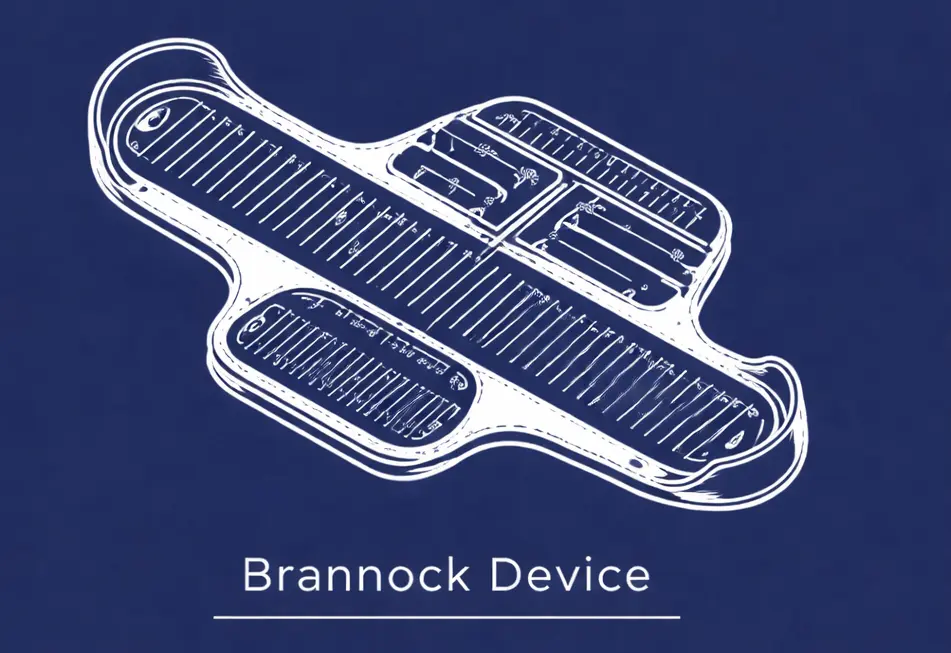
If there’s a Brannock device available, use it the right way:
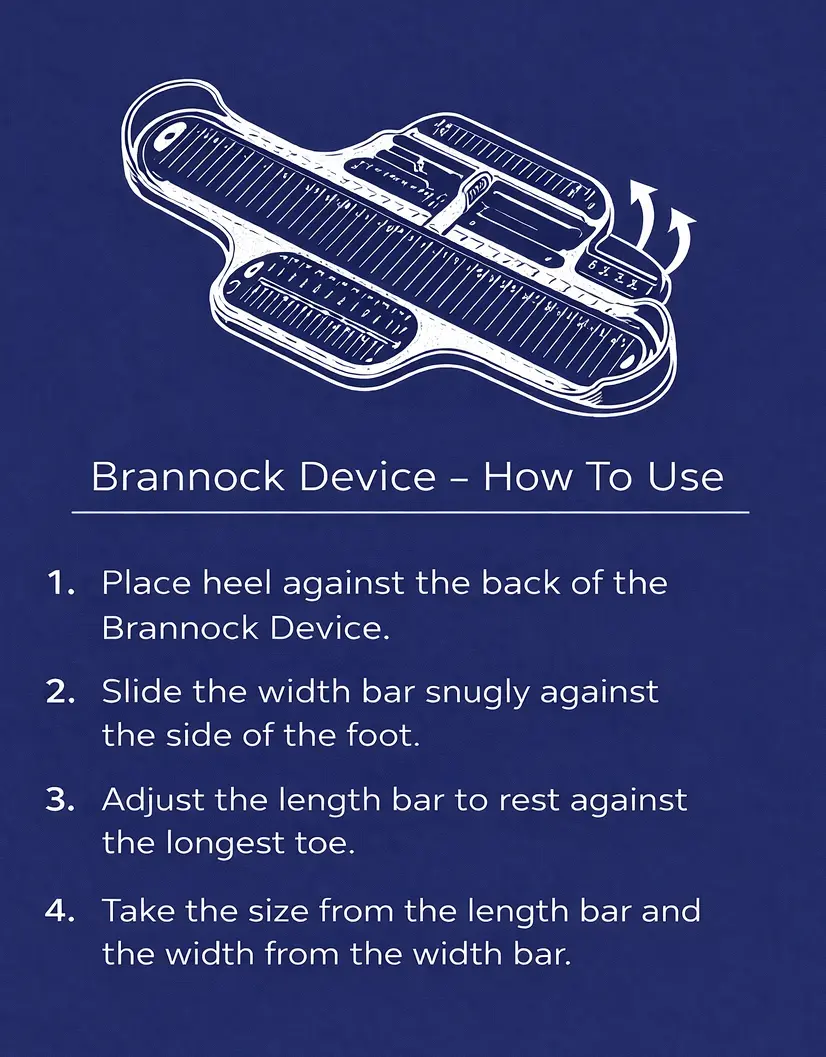
- Stand up straight with full weight on your foot
- Push your heel all the way back into the cup
- Check length at the longest toe (not always the big toe)
- Slide the width bar to the widest part of your forefoot
- Measure both feet and always size for the bigger one
- That number is your true size, and for most people, that’s the best starting point for the 1906.
Measuring at Home (If You Have To)
No store nearby? You can still get close at home.

What you need:
- Paper
- Pen or pencil
- Ruler or tape measure
- The socks you’ll actually wear with the shoe
Steps:
- Measure at the end of the day when your feet are slightly swollen
- Stand on the paper with your heel against a wall
- Trace your foot with the pen straight up
- Measure heel to longest toe
- Measure the widest part of your foot
- Repeat for the other foot and use the larger measurement
- Compare your numbers to New Balance’s size chart.
Extra Fit Tips Most People Forget
- Socks matter: Thick socks take up more space in the 1906’s snug midfoot
- Time of day matters: Morning measurements usually run small
- Expect minimal stretch: The upper doesn’t open up much over time
- Snug is normal: Especially in the midfoot, but it shouldn’t hurt
- Heel slip is rare: If it happens, the shoe is likely too long
Final Thoughts
At the end of the day, New Balance 1906 sizing really comes down to understanding which version you’re buying and how you personally like your shoes to fit. This isn’t a one-size-fits-all situation, and that’s why so many people are split on whether the 1906 runs small, big, or true to size.
For most people, the standard 1906R and 1906D feel best true to size. They’re a bit snug, especially through the midfoot thanks to the N-Lock system, but that secure feeling is kind of the point.
If you like a locked-in, supportive fit, true to size just works. From there, things start to shift slightly depending on materials and construction. The Refined Future pairs feel roomier, the 1906U and 1906N run longer, and the 1906L loafer is a completely different conversation altogether.
If you’ve worn any of these versions yourself and had a different experience, drop it in the comments. Sizing is personal, and hearing how these fit on different foot shapes always helps the next person make the right call.