
The question “Do New Balance run small or big?” comes up all the time, and it’s easy to see why.
With so many different models, silhouettes, and materials, figuring out your perfect size can feel confusing.
The truth is, New Balance generally fits true to size, but the fit can vary depending on the shoe’s design, whether it’s a retro lifestyle model or a performance runner, the materials used, and even how wide your feet are.
In this guide, I’m going to talk about everything I know about New Balance sizing, based on my own experience with a wide range of models, from the 991 and 992 to the 550, 327, and beyond.
I’ll also cover collabs and explain why some pairs feel roomier or narrower than others.
Sounds interesting?
Let the scrolling begin…
Do New Balance Run Small or Big?
In general, New Balance sneakers fit true to size.
Most models are consistent in length, and compared to a lot of other brands, they tend to feel more forgiving rather than tight.
That’s one of the reasons people with slightly wider feet gravitate toward New Balance in the first place.
That said, not every silhouette fits exactly the same. Some models feel roomier through the toe box, while others have a slightly more tapered shape.
If you have wider feet, you might occasionally prefer going up half a size for extra comfort. If you have narrow feet, certain models may feel a bit spacious at true to size.
Another big advantage with New Balance is width options…
Many models, especially in the 990 series, come in multiple widths instead of just a standard size.
Sock choice also matters…
If you wear thicker socks in colder months or plan to swap in a different insole, you may want a little extra room. If you prefer a snug, one-to-one fit, true to size is usually the right starting point.
Below, you’ll find an in-depth New Balance sizing guide about how some of the most popular New Balance models fit, based on real on-foot experience.
Action Bronson x New Balance 1890 Sizing
The Action Bronson x New Balance 1890 fits differently from most of the classic Made in USA and Made in UK pairs. It runs slightly long in length but feels narrower through the forefoot.
In my true size (US 9), I get just over a thumb’s space in front of my toes. If you like a very exact, one-to-one fit, you might think it feels a little long. But because the shoe tapers through the forefoot, it never feels sloppy.
If you have regular-width feet, true to size should work well.
If you have slightly wide feet (like me), true to size is still the safest option. The narrow shape balances out the extra length. Going half size down would likely create pressure in the toe box.
If you have narrow feet and prefer a snug performance-style fit, you could test a half size down, especially if you dislike extra space in front of your toes.
Cyborg Tears vs. Hornet Tusk
Both colorways fit the same in terms of sizing, but they feel different on foot.
The Cyborg Tears feels more structured and slightly more restrictive in the toe box. The infused upper gives more resistance when it creases, so the narrowness is more noticeable.
The Hornet Tusk feels more forgiving due to the open mesh construction. It moves more naturally with the foot and feels slightly roomier, even though the measurements are the same.
Length is consistent across both pairs. The difference is in how the upper behaves.
New Balance 990 Sizing
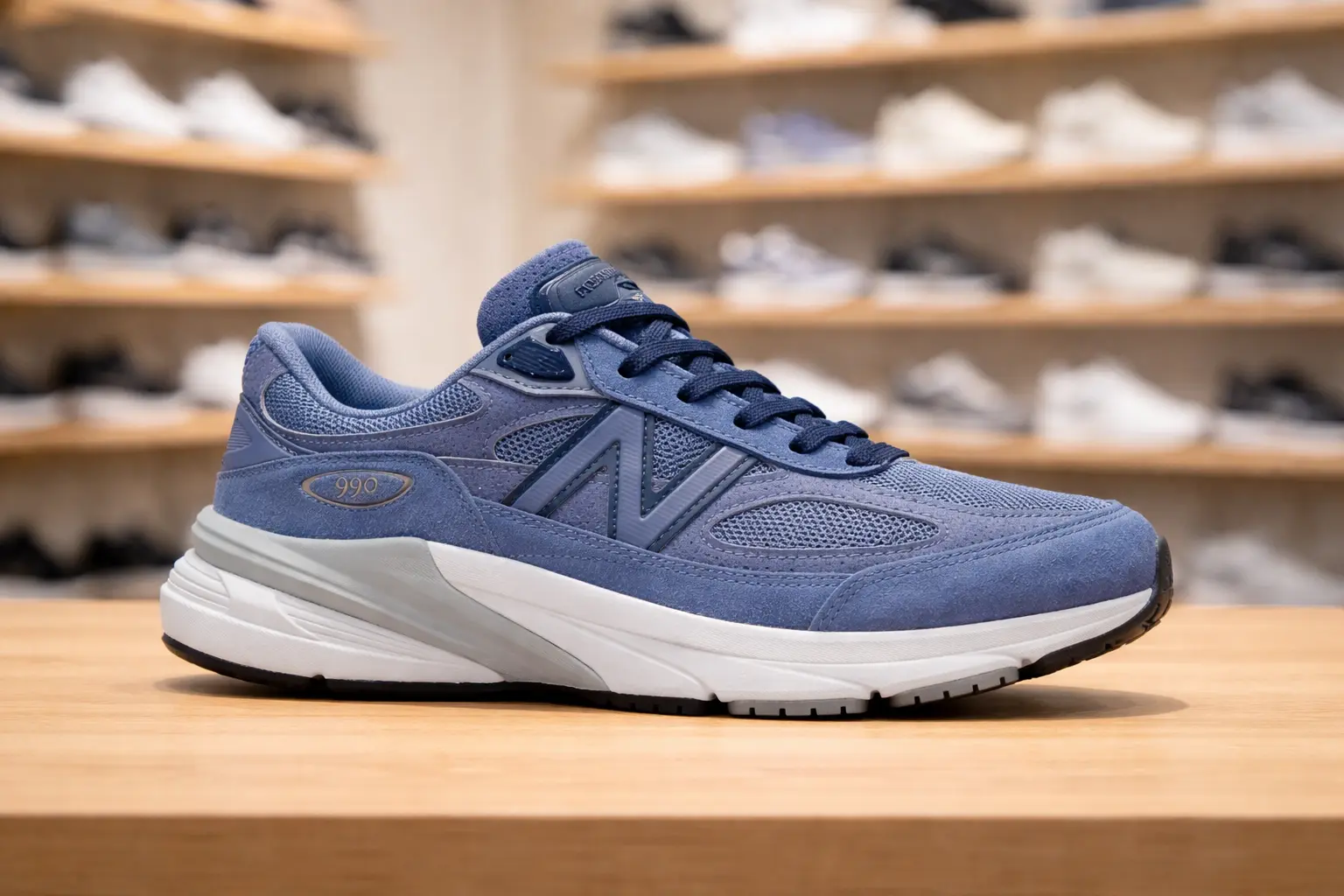
The New Balance 990 is one of the most consistent-fitting sneakers in the entire lineup.
In my experience, it fits true to size with a slightly roomy and forgiving feel through the forefoot. It doesn’t run long, and it doesn’t feel cramped.
If you have regular or slightly wide feet, going true to size should work perfectly.
The 990 is also one of the more accommodating models in terms of width, especially since many versions are offered in wide options.
Narrow-footed wearers may notice a bit of extra space, but not enough to justify sizing down in most cases.
The Kith 990v3 feels slightly bigger and more wide-foot friendly than my other 990v3 pairs.
Even with that extra space, I still went with my usual half size down (8.5 in the 990 line), and they fit extremely comfortably. If anything, the added room made them easier to wear for longer periods.
If you already know your 990v3 size, stick with it. Just expect this pair to feel a touch more forgiving.
The Carhartt 990v1 fits more structured than the regular 990v1. I actually have to go true to size because the added materials and structure tighten up the fit.
If you size it the same way you size your regular 990v1, it may feel too snug. This is one of the few 990 collaborations where you have to adjust your usual sizing approach.
New Balance 991 Sizing
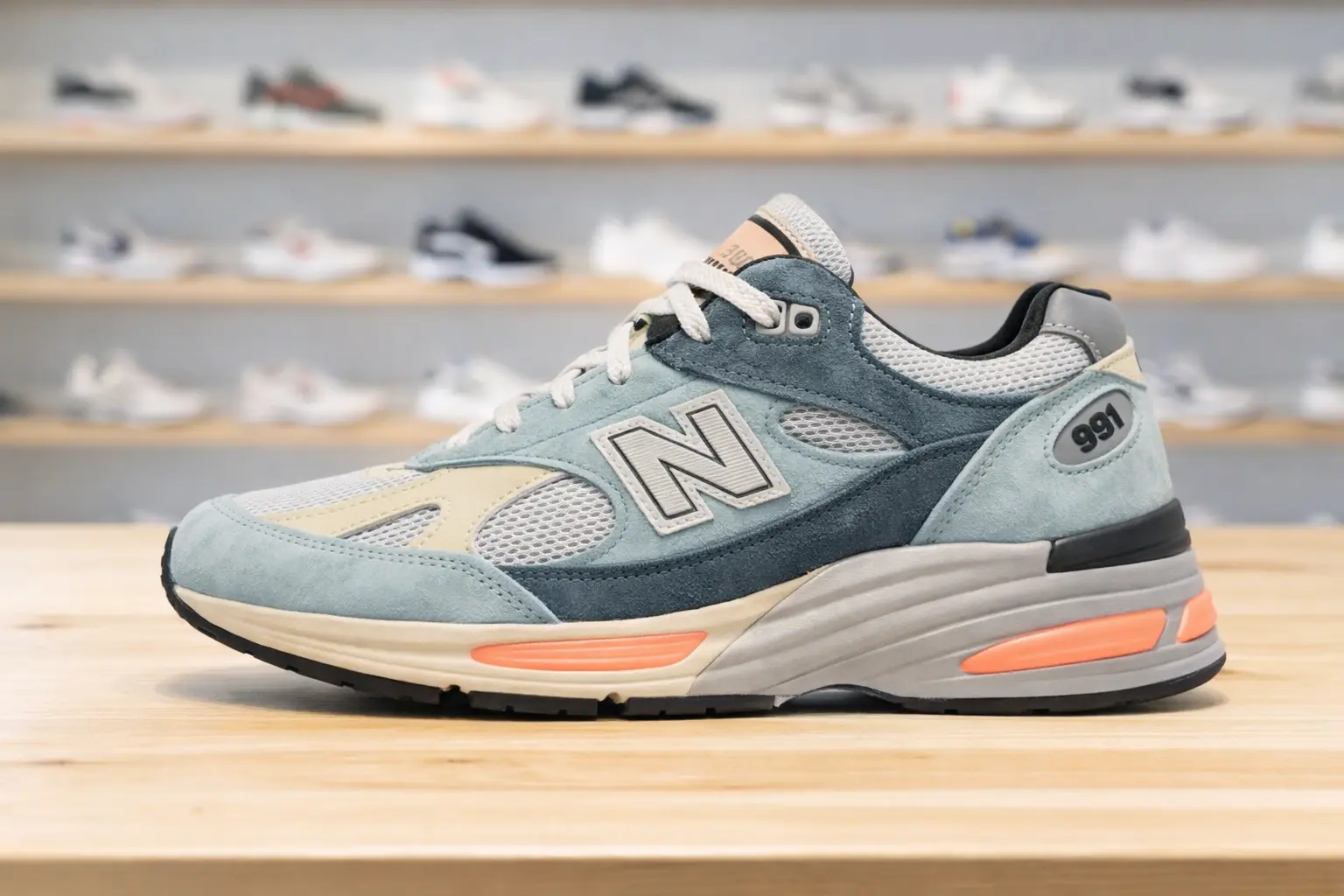
The New Balance 991 fits slightly more snug compared to the 990. True to size still works, but the shoe feels a bit narrower and more structured through the midfoot.
It does not run small in length, but it does not feel as forgiving as other Made in UK or Made in USA models.
If you have regular-width feet, true to size should be fine. If you are on the wider side, you may notice some tightness, especially at first, though the materials soften over time.
The JJJJound 991 feels slightly more accommodating than other 991s. The toe box has a bit more give, and I don’t feel as much pressure around the forefoot.
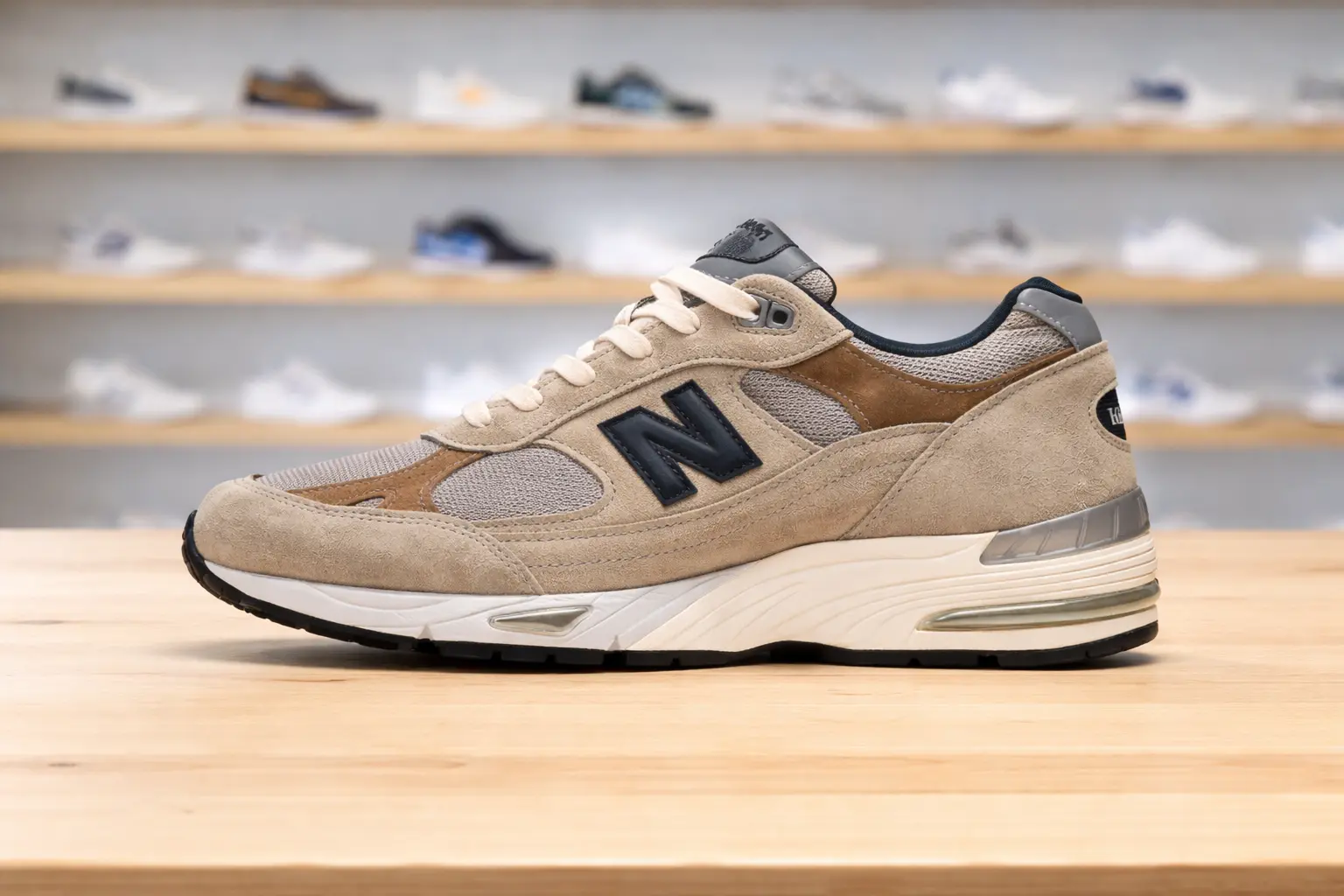
It still fits true to size, but it does not feel as snug as a typical 991. I would not size down. If anything, this version feels a little more comfortable straight out of the box.
– Chocolate vs Celery
The Aimé Leon Dore x New Balance 991 Chocolate feels closer to the traditional 991v1 fit. There is slight pressure around the ball of the foot, which is normal for this model, and it feels structured through the midfoot.
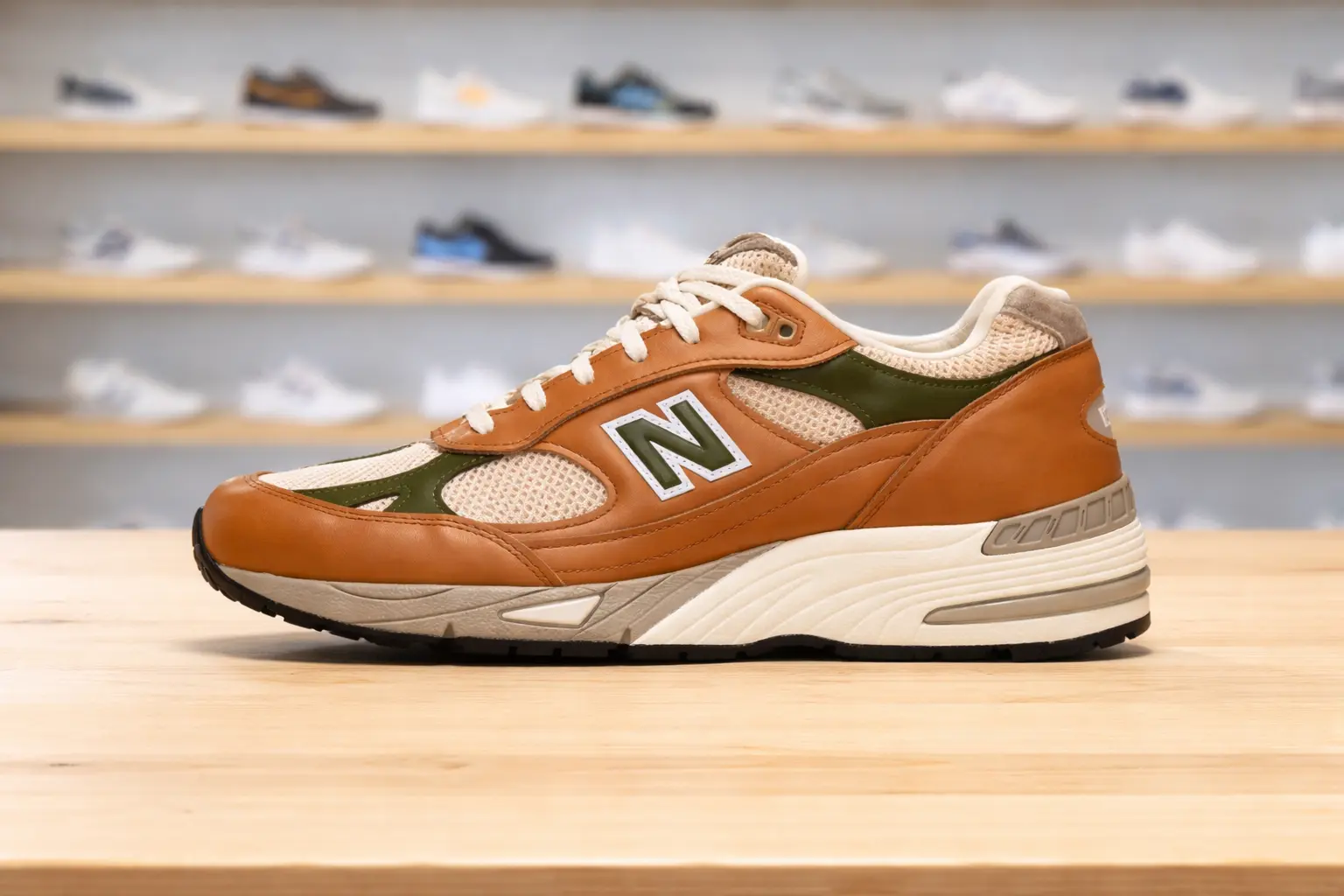
The Celery pair, however, feels more spacious. I noticed less pressure in the forefoot and more breathing room overall. The material mix likely played a role in that difference.
I stayed true to size for both. Unless you are between sizes or extremely sensitive to snug forefoot fits, there is no need to change your normal 991 size.
The Sneakersnstuff 991 fit slightly longer than a standard 991.
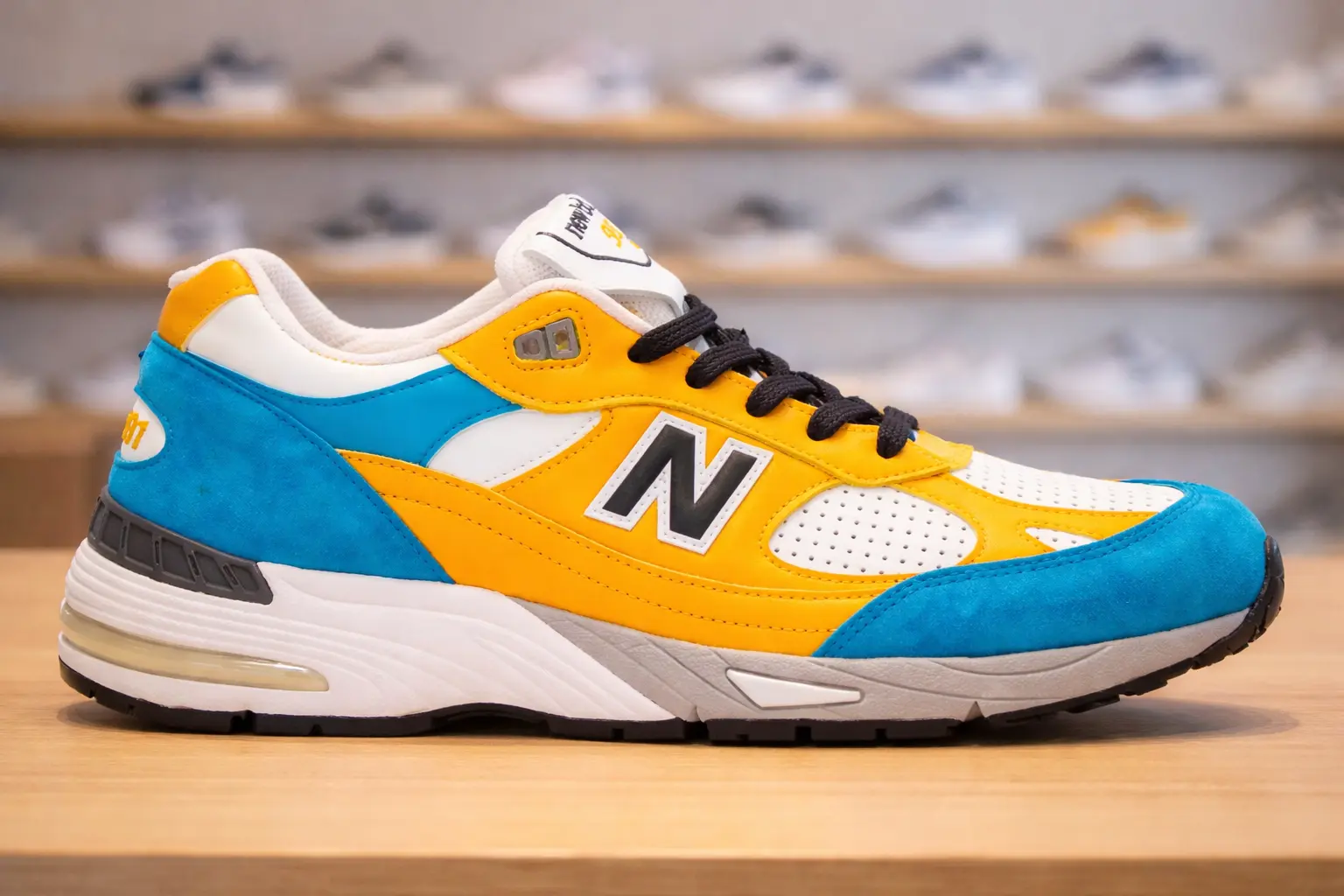
Width-wise, it feels accurate for my foot. But length-wise, I have a bit more space in front of my toes than usual. It is not sloppy, just slightly longer than expected.
Because my feet lean slightly wide, I do not feel comfortable going half a size down. True to size still made the most sense.
If you have narrow feet and prefer a very snug fit, you could potentially test a half size down, but most people should stick with their regular 991 size.
New Balance 992 Sizing
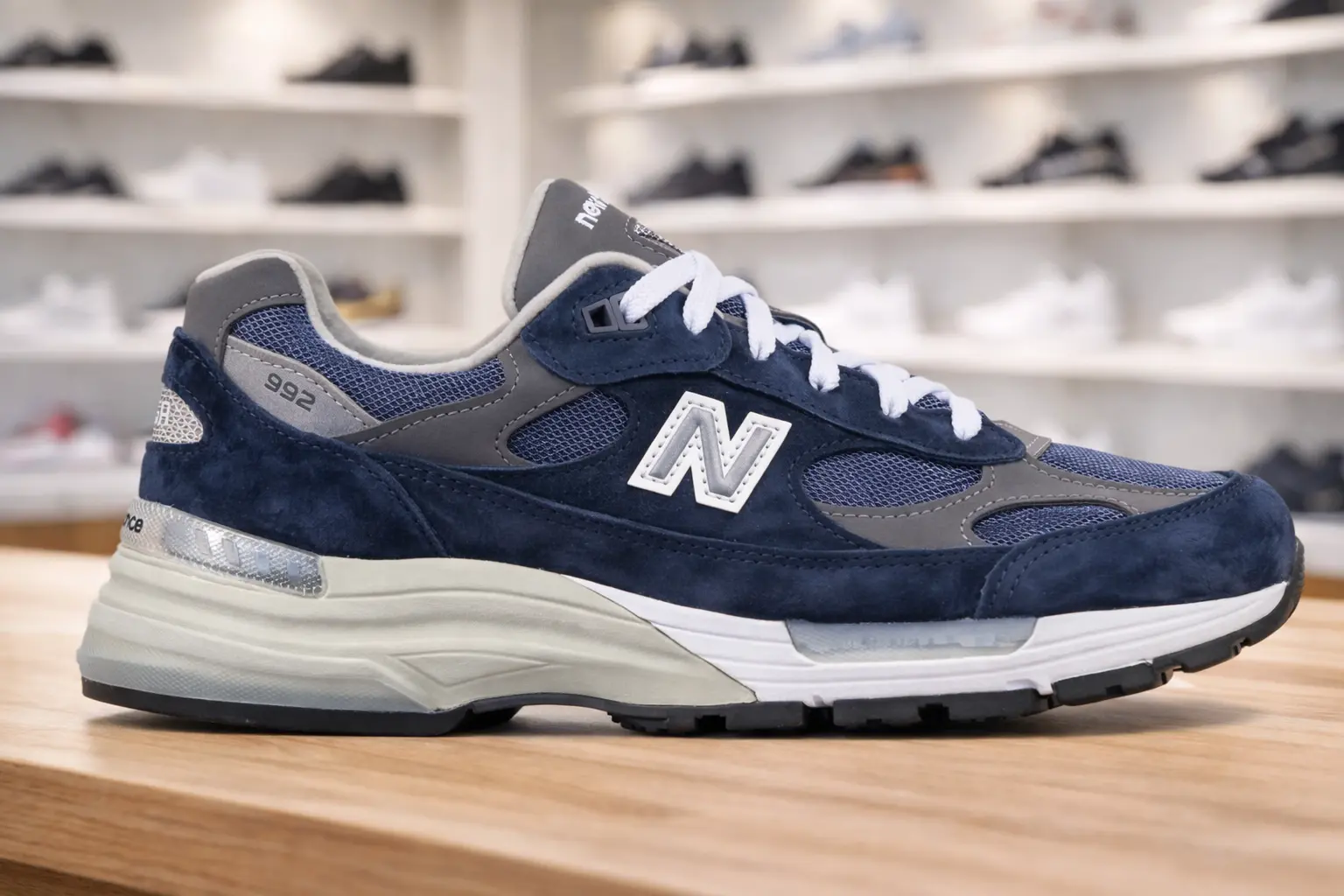
The New Balance 992 is noticeably roomier than the 991 and slightly more generous than the 990. It fits true to size but feels wide-foot friendly right out of the box.
There is ample space in the toe box, and the overall shape does not taper aggressively.
For most people, true to size is ideal. Those with narrow feet may find it slightly roomy, but not overly long.
The Action Bronson 992 is one of the few 992s that feel a little different.
There’s slight pressure around the ball of my foot near the lace area. It was not uncomfortable, but it felt a touch more snug than a typical 992, which usually runs roomy.
It is not dramatically different, but it is slightly more structured than most 992 releases.
New Balance 9060 Sizing
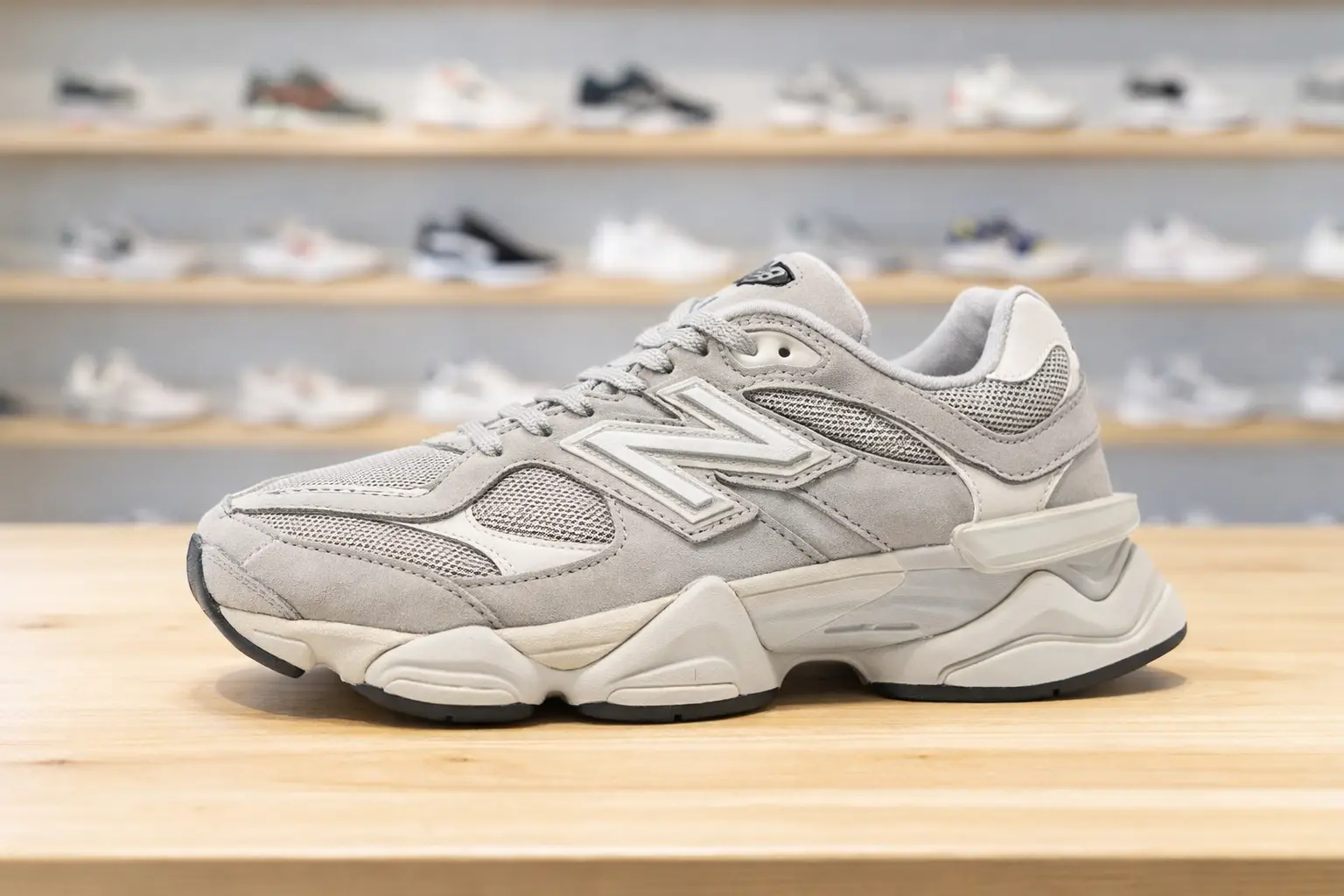
The New Balance 9060 fits true to size and feels roomy through the forefoot. The chunky build does not translate to a tight fit.
Instead, it offers a comfortable, wide-foot friendly shape.
Length runs standard. There is no need to size up unless you are between sizes. If you have slightly wide feet, true to size should still feel comfortable.
New Balance 2002R Sizing
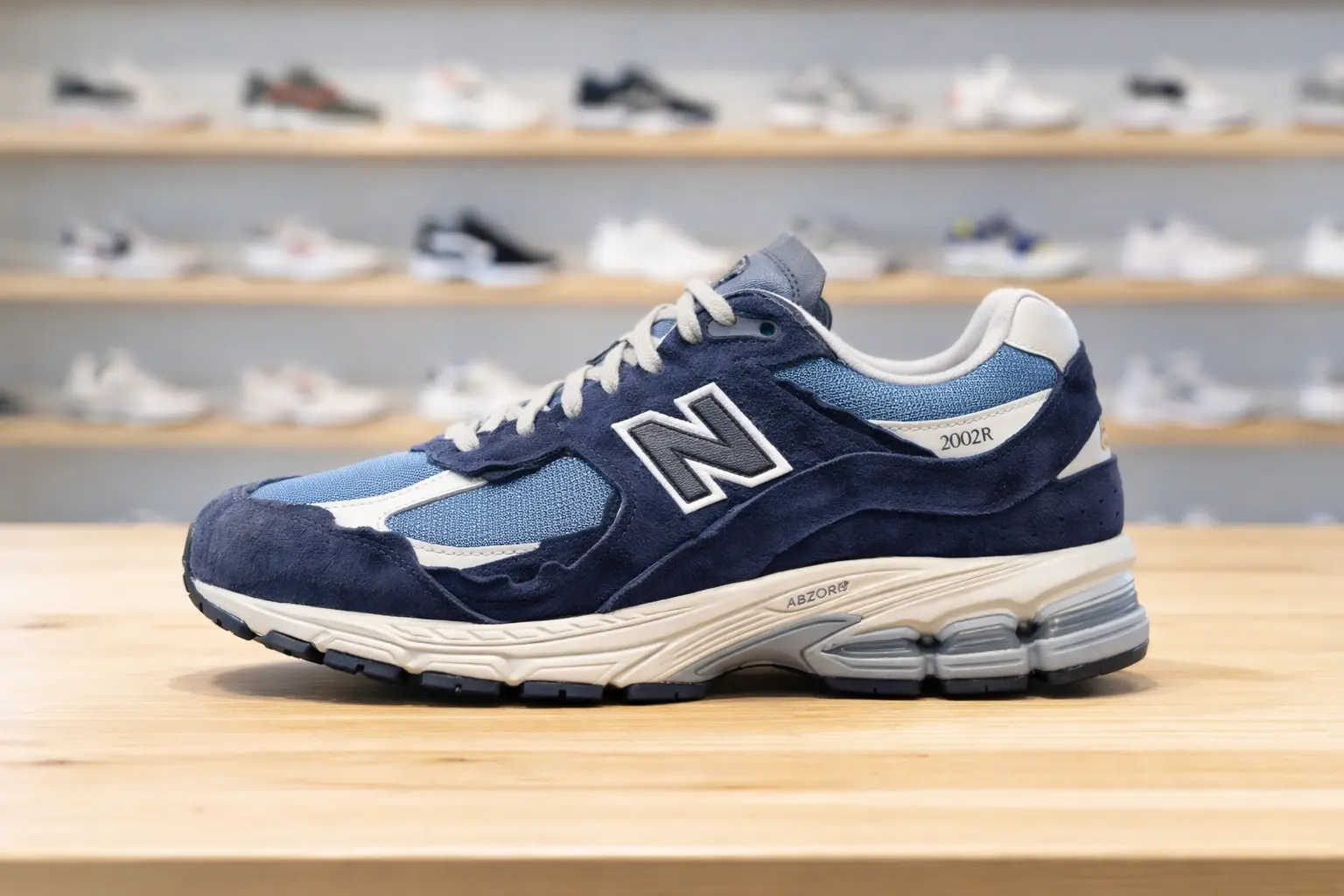
The New Balance 2002R fits true to size with a balanced and secure feel. It does not run small, and it does not feel overly wide.
The forefoot has moderate room without being loose. Most wearers should stick with their standard New Balance size.
If you are slightly wide-footed, true to size should still work.
New Balance 1906 Sizing
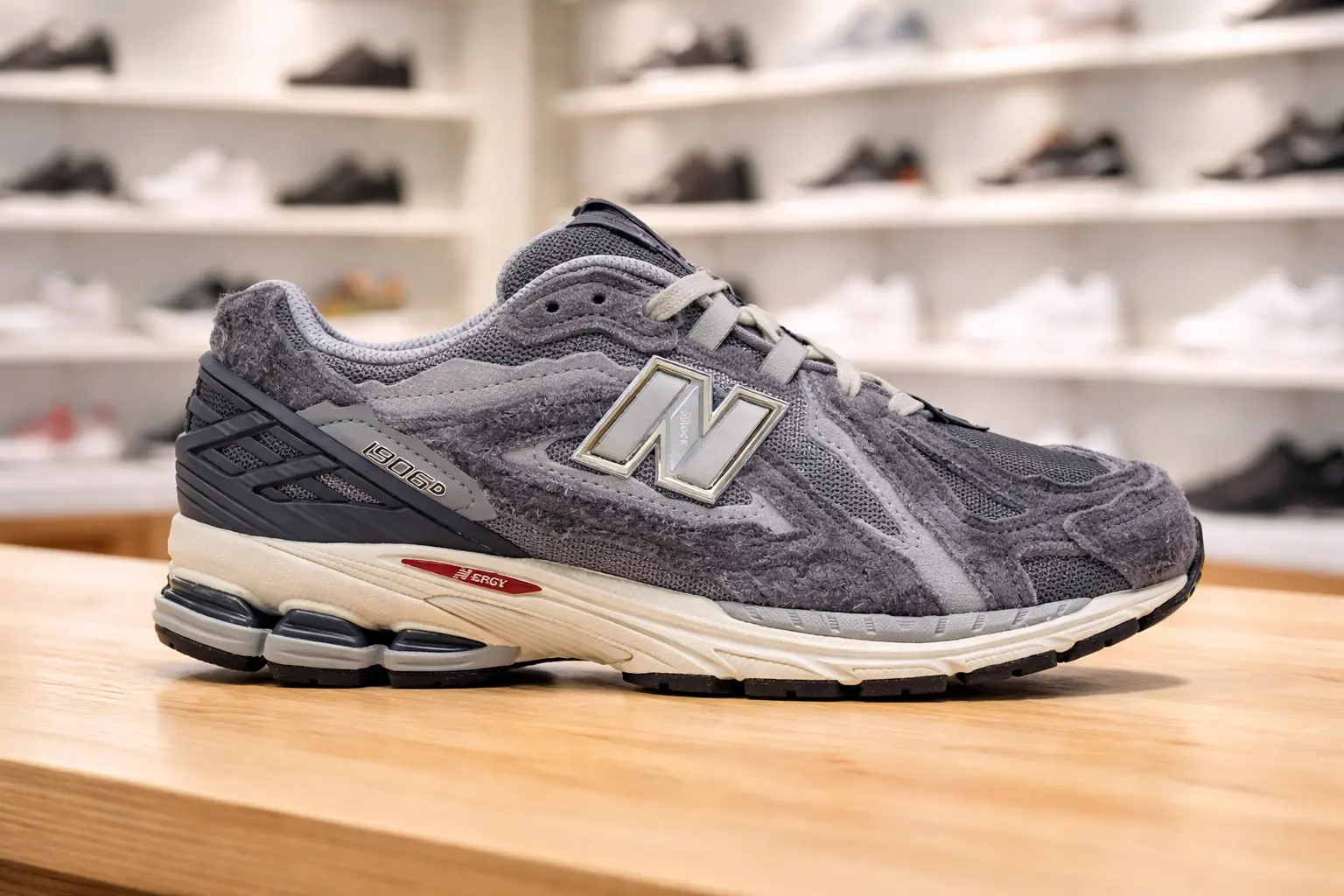
The New Balance 1906 fits similarly to the 2002R. It runs true to size and offers a secure, athletic fit without feeling narrow.
The midfoot feels structured, but the toe box has enough space for regular-width feet. There is no need to size up unless you are particularly wide-footed.
New Balance 550 Sizing

The New Balance 550 fits true to size in length but feels slightly narrower than models like the 990 or 992.
The leather upper can feel snug initially, especially around the forefoot.
For regular-width feet, true to size works well. If you have wider feet, you may consider going up half a size for additional room.
Keep in mind that the leather does soften and stretch slightly over time with wear.
This applies to both general releases and collaborations.
New Balance 530 Sizing

The New Balance 530 runs true to size and has a fairly neutral fit. It does not run small or big.
The toe box offers standard room, and the midfoot does not feel restrictive. Most people can confidently stick with their usual New Balance size.
New Balance 574 Sizing
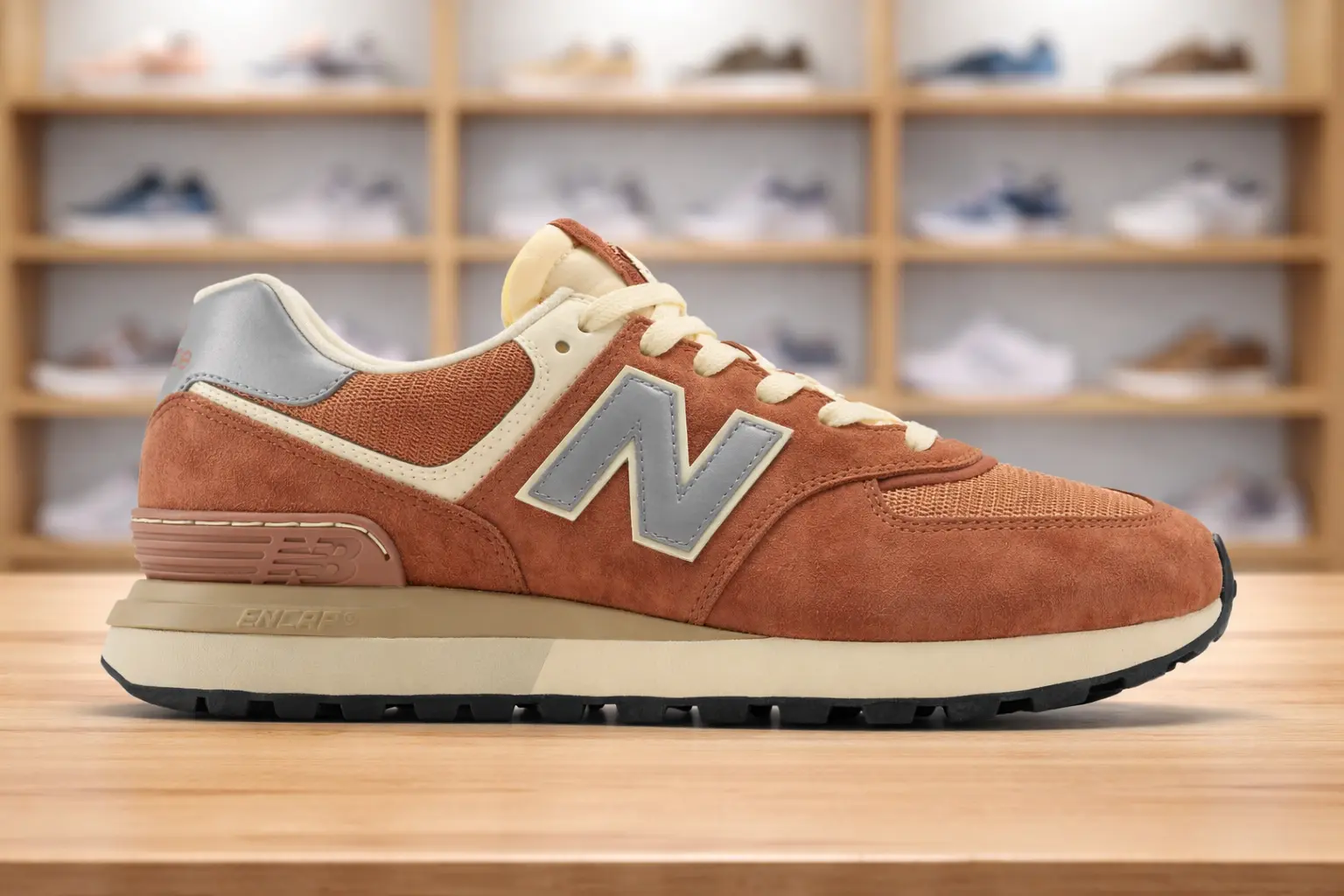
The New Balance 574 fits true to size and leans slightly roomy rather than tight. It has a forgiving forefoot and does not taper aggressively.
If you have regular or slightly wide feet, true to size should feel comfortable. Narrow-footed wearers may notice a bit of extra space but generally not enough to size down.
New Balance 327 Sizing

The New Balance 327 fits true to size in length but has a more tapered, slightly narrow feel through the midfoot. The silhouette is sleeker compared to classic 990-series models.
Regular-width feet should be fine going true to size. Those with wider feet may experience some snugness and could consider going up half a size if they prefer extra room.
New Balance 1000 Sizing
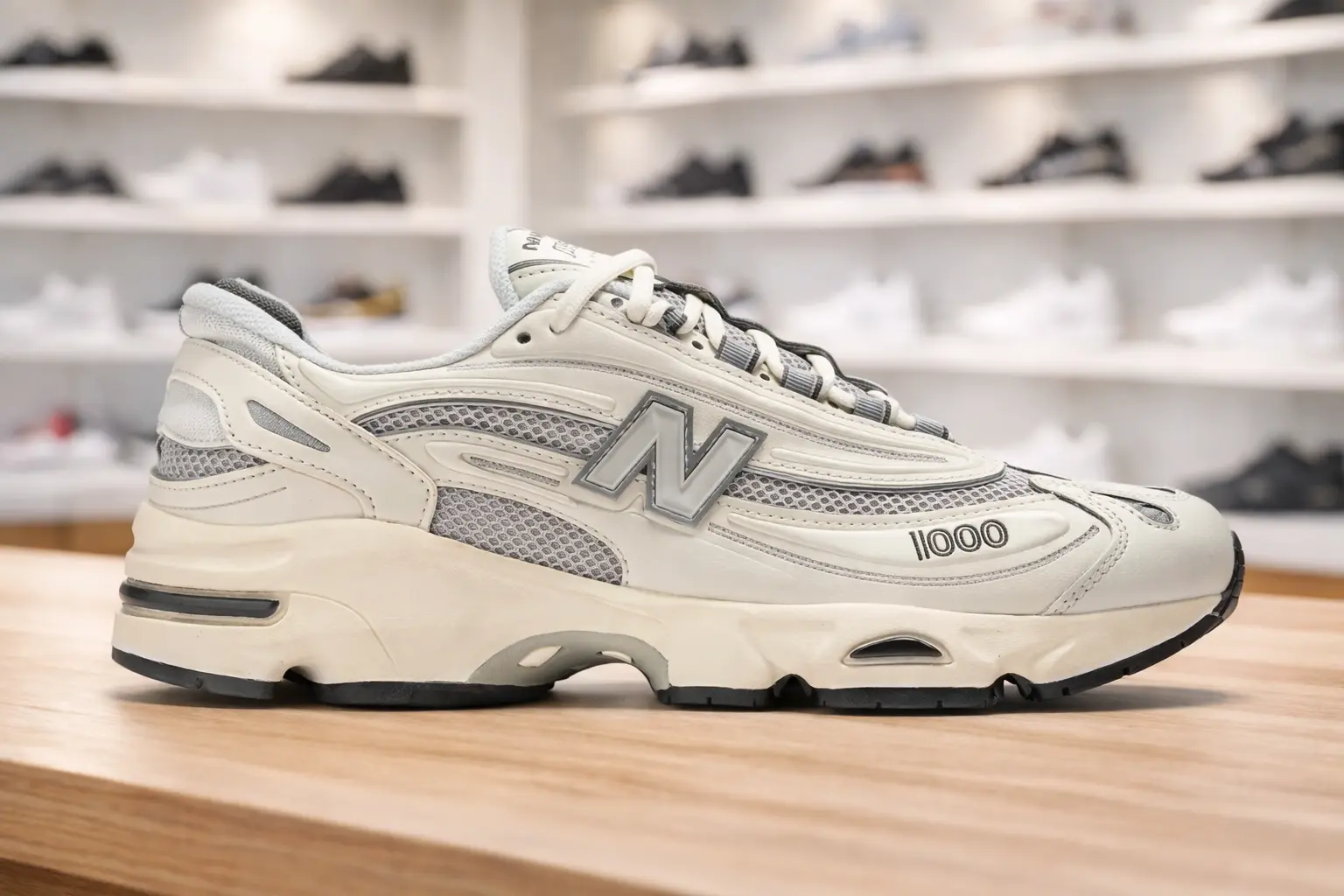
The New Balance 1000 fits true to size with a structured and secure feel. It does not run small, but it is not particularly wide either.
The forefoot offers moderate room, and most people should stick to their standard size. Wide-footed wearers may find it less forgiving than the 992 or 9060.
New Balance ABZORB 2010 Sizing
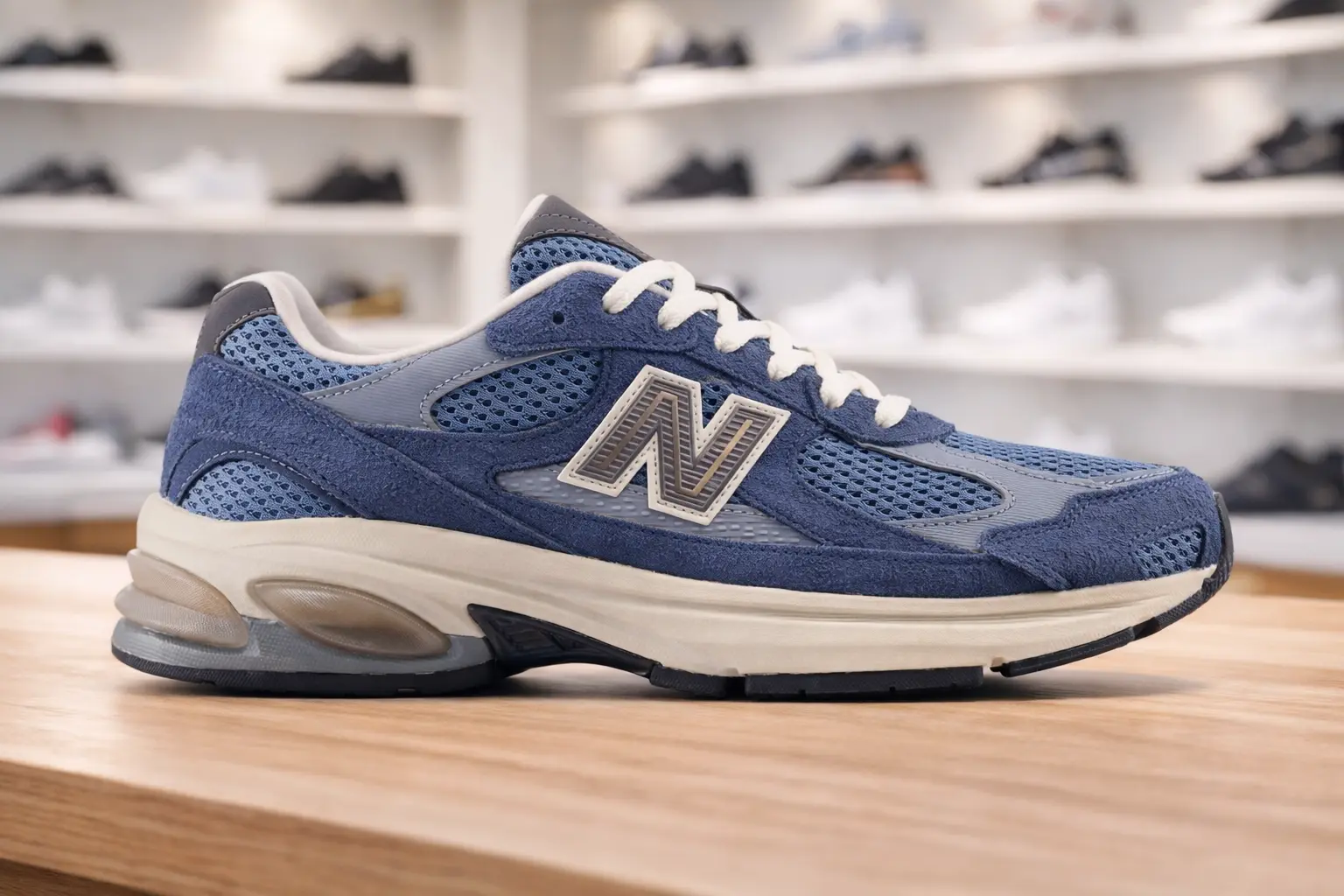
The New Balance ABZORB 2010 runs true to size with a balanced fit. The midfoot feels structured, while the toe box provides standard room for regular-width feet.
There is no need to size up unless you have significantly wide feet. For most people, sticking with your usual New Balance size is the best choice.
New Balance 740 Sizing
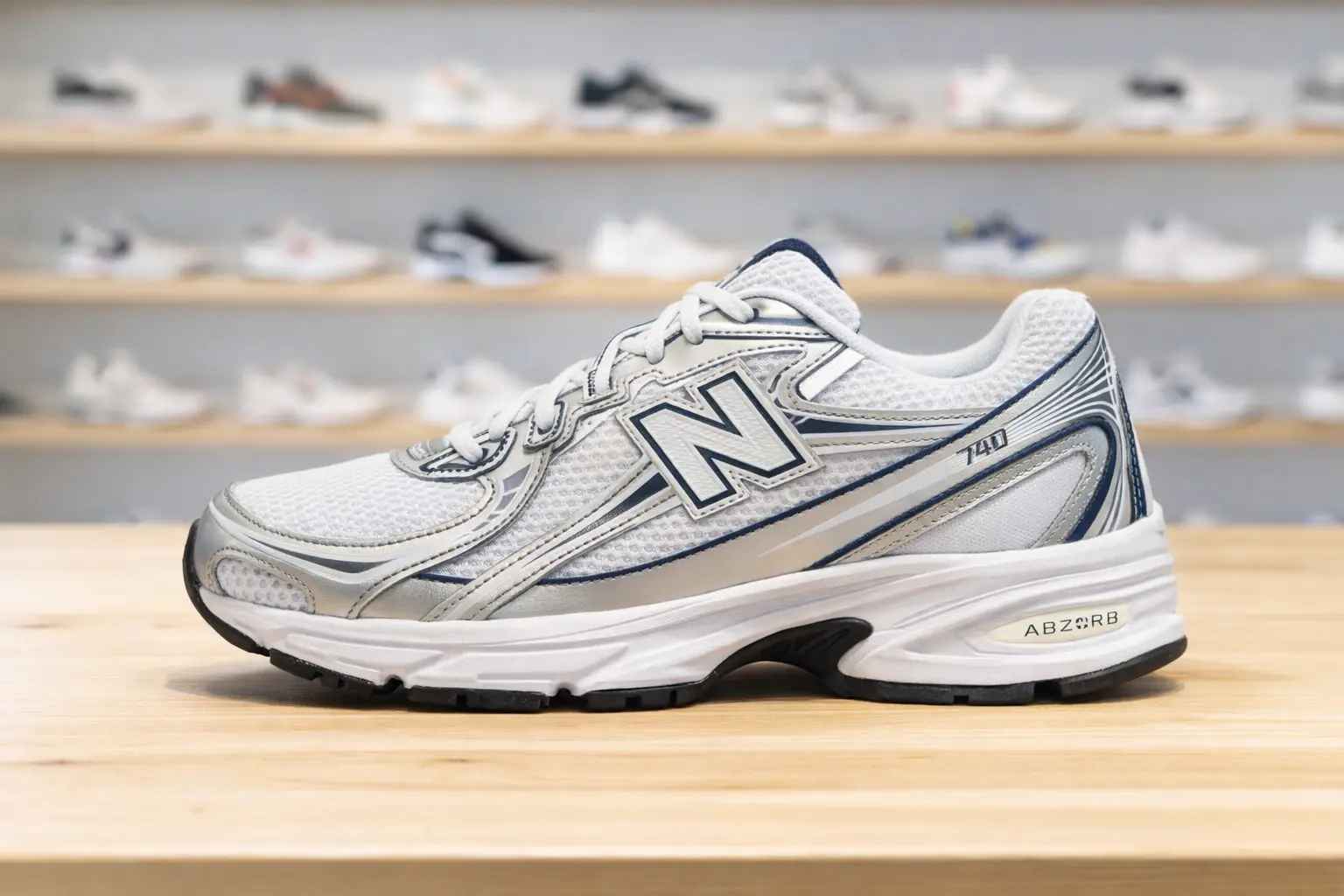
The New Balance 740 fits true to size with a neutral width. It does not run small or big and feels consistent with standard New Balance sizing.
Most wearers can confidently go with their regular size without adjustment.
Why New Balance Models Can Fit Differently
One thing I’ve learned after wearing a lot of New Balance models is this: you can’t treat them all the same.
Even within the same brand, sizing can feel different. And there are real reasons for that.
First, it comes down to purpose.
Some New Balance shoes are built with performance in mind. Models that lean toward running or athletic use usually have a more secure, foot-hugging shape.
They’re designed to hold your foot in place, limit movement, and feel stable when you’re in motion.
Other models, especially the bulkier, retro-inspired lifestyle pairs, are built for everyday wear. Those tend to have a more relaxed shape.
They’re designed to feel comfortable for long hours on your feet. That difference alone can make one pair feel snug and another feel roomy, even if they’re technically the same size.
Then there’s the last shape.
Different models are built on different lasts. The last is basically the mold that shapes the shoe. A sleeker, aerodynamic model like the 327 will naturally feel more tapered.
A heritage runner like the 990 or 992 is built on a wider, more forgiving platform.
Materials also play a huge role.
Some materials are forgiving. Soft mesh, knit uppers, and flexible suede can adapt to your foot over time. They give you a bit of room if you’re slightly between sizes.
Other materials are stiff. Thick leather, structured overlays, or heavily reinforced panels don’t stretch much.
If a shoe feels tight out of the box and it’s made with rigid materials, it’s probably going to stay that way.
That’s why some collaborations can feel slightly different from general releases.
Another thing people don’t talk about enough is personal preference.
Some people want a one-to-one snug fit. They don’t want any extra room. They want the shoe to feel secure and locked in.
Others intentionally go snug because they wear larger sizes, like a 12 or 13, and they don’t want the shoe to look bulky on foot.
On the flip side, some people want extra space. They like room for toe splay, they wear thicker socks, they swap in custom insoles, or they simply prefer not to feel any pressure at the sides.
Foot shape matters too.
High arches, flat feet, wide forefoot, and narrow heel all affect how a shoe feels. Two people can wear the same size in the same model and have completely different experiences.
And finally, manufacturing variances are real. Even within the same model, small production differences can create subtle fit changes. It’s not dramatic, but it happens.
That’s why when someone asks, “Do New Balance run small or big?” the honest answer is: it depends on the model, the materials, and your personal fit preference.
New Balance is consistent compared to many brands, but it’s not one-size-fits-all across every silhouette.
Is New Balance Sizing the Same as Other Brands?
One of the biggest questions I get is whether New Balance fits the same as Nike, Adidas, or other performance brands.
In most cases, yes. Your size usually transfers over 1:1.
If you wear a US 9.5 in Nike or Adidas, you’ll most likely wear a US 9.5 in New Balance. The idea that you automatically need to size down in New Balance because they “run big” is usually not accurate.
Where the difference shows up is width and shape.
New Balance tends to feel more accommodating through the forefoot compared to a lot of Nike models, but that doesn’t mean they run long.
It just means they’re less tapered.
So if someone tries on a New Balance after wearing a narrow Nike silhouette, it can feel roomier even though the length is correct.
Toe-box shape also plays a role…
Some brands curve inward more aggressively at the front. New Balance often gives your toes more natural space, and that can create the impression that the shoe runs big when it really doesn’t.
Compared to other performance brands:
- Asics often feels slightly more structured and snug around the midfoot.
- Hoka, despite the oversized midsoles, usually fits true to size like New Balance.
- Saucony also runs fairly consistent with standard sizing.
- Brooks is one brand where many people prefer going up half a size from their casual shoe size.
In my experience, I don’t change my size when moving between Nike, adidas, and New Balance. The difference is rarely big enough to justify jumping a full size or even half a size unless you already size up in other brands for width reasons.
The key takeaway is this: New Balance does not inherently run big or small compared to other major brands. Most people can confidently stick with the same numeric size they wear elsewhere.
New Balance Women’s to Men’s Size Conversions
If you’re converting between men’s and women’s sizing in New Balance, the general rule is simple:
- There’s about a 1.5 US size difference.
So, for example, a men’s US 7 is roughly equal to a women’s US 8.5. And if you’re going the other way, you subtract 1.5 sizes.
Where people sometimes get confused is width…
The width category itself does not change. A “Medium” width in men’s is still considered a “Medium” width in women’s. What changes is the actual labeling system behind it.
For example, men’s standard width is typically labeled D, while women’s standard width is usually labeled B.
They’re both considered “Medium” for their respective categories, but they’re not identical in measurement. Men’s standard runs wider than women’s standard.
So if you’re a woman buying from the men’s section because you prefer certain colorways or collaborations, keep that in mind. A men’s Medium will feel wider than a women’s Medium.
From my experience, if the length conversion is correct but the shoe feels wider than expected, that’s usually why. It’s not that the size conversion is wrong. It’s that the width baseline is different.
If you have wider feet, buying men’s sizing can sometimes work in your favor. If you have narrow feet, you may notice extra space when converting into men’s pairs.
New Balance Size Chart
Men
| US Men | US Women | UK | EU | CM |
|---|---|---|---|---|
| 4 | 5.5 | 3.5 | 36 | 22 |
| 4.5 | 6 | 4 | 37 | 22.5 |
| 5 | 6.5 | 4.5 | 37.5 | 23 |
| 5.5 | 7 | 5 | 38 | 23.5 |
| 6 | 7.5 | 5.5 | 38.5 | 24 |
| 6.5 | 8 | 6 | 39.5 | 24.5 |
| 7 | 8.5 | 6.5 | 40 | 25 |
| 7.5 | 9 | 7 | 40.5 | 25.5 |
| 8 | 9.5 | 7.5 | 41.5 | 26 |
| 8.5 | 10 | 8 | 42 | 26.5 |
| 9 | 10.5 | 8.5 | 42.5 | 27 |
| 9.5 | 11 | 9 | 43 | 27.5 |
| 10 | 11.5 | 9.5 | 44 | 28 |
| 10.5 | 12 | 10 | 44.5 | 28.5 |
| 11 | 12.5 | 10.5 | 45 | 29 |
| 11.5 | 13 | 11 | 45.5 | 29.5 |
| 12 | 13.5 | 11.5 | 46.5 | 30 |
| 12.5 | 14 | 12 | 47 | 30.5 |
| 13 | 15 | 12.5 | 47.5 | 31 |
| 14 | 13.5 | 49 | 32 | |
| 15 | 14.5 | 50 | 33 | |
| 16 | 15.5 | 51 | 34 | |
| 17 | 16.5 | 52 | 35 | |
| 18 | 17.5 | 53 | 36 | |
| 19 | 18.5 | 54 | 37 | |
| 20 | 19.5 | 55 | 38 |
Women
| US Women | US Men | UK | EU | CM |
|---|---|---|---|---|
| 4 | 2.5 | 2 | 34 | 21 |
| 4.5 | 3 | 2.5 | 34.5 | 21.5 |
| 5 | 3.5 | 3 | 35 | 22 |
| 5.5 | 4 | 3.5 | 36 | 22.5 |
| 6 | 4.5 | 4 | 36.5 | 23 |
| 6.5 | 5 | 4.5 | 37 | 23.5 |
| 7 | 5.5 | 5 | 37.5 | 24 |
| 7.5 | 6 | 5.5 | 38 | 24.5 |
| 8 | 6.5 | 6 | 39 | 25 |
| 8.5 | 7 | 6.5 | 40 | 25.5 |
| 9 | 7.5 | 7 | 40.5 | 26 |
| 9.5 | 8 | 7.5 | 41 | 26.5 |
| 10 | 8.5 | 8 | 41.5 | 27 |
| 10.5 | 9 | 8.5 | 42.5 | 27.5 |
| 11 | 9.5 | 9 | 43 | 28 |
| 11.5 | 10 | 9.5 | 43.5 | 28.5 |
| 12 | 10.5 | 10 | 44 | 29 |
| 12.5 | 11 | 10.5 | 45 | 29.5 |
| 13 | 11.5 | 11 | 45.5 | 30 |
| 13.5 | 12 | 11.5 | 46 | 30.5 |
| 14 | 12.5 | 12 | 46.5 | 31 |
| 15 | 13 | 13 | 48 | 32 |
New Balance Width Chart
| Code | Men | Women's |
|---|---|---|
| 4A | — | X-Narrow |
| 2A | X-Narrow | Narrow |
| B | Narrow | Standard |
| D | Standard | Wide |
| 2E | Wide | X-Wide |
| 4E | X-Wide | XX-Wide |
| 6E | XX-Wide | — |
How to Measure Your Feet for New Balance
I know most people skip this step. I used to. Then I realized that half the sizing confusion people blame on brands actually comes from not knowing their true measurements.
Here’s exactly how I recommend you do it.
The Best Way to Get Your New Balance Size Right
As detailed as home measuring can be, the absolute best way to get your New Balance size right is to try the model on in person.
Even if you know your measurements perfectly, the shape of the last, the materials, and the structure can change how the shoe feels on your foot.
If you can, go to a store and try on the exact model you’re considering.
- Lace it up properly.
- Walk around.
- Pay attention to toe space, heel lockdown, and any pressure at the ball of your foot.
Even better, get measured by a professional…
Get Measured by a Professional
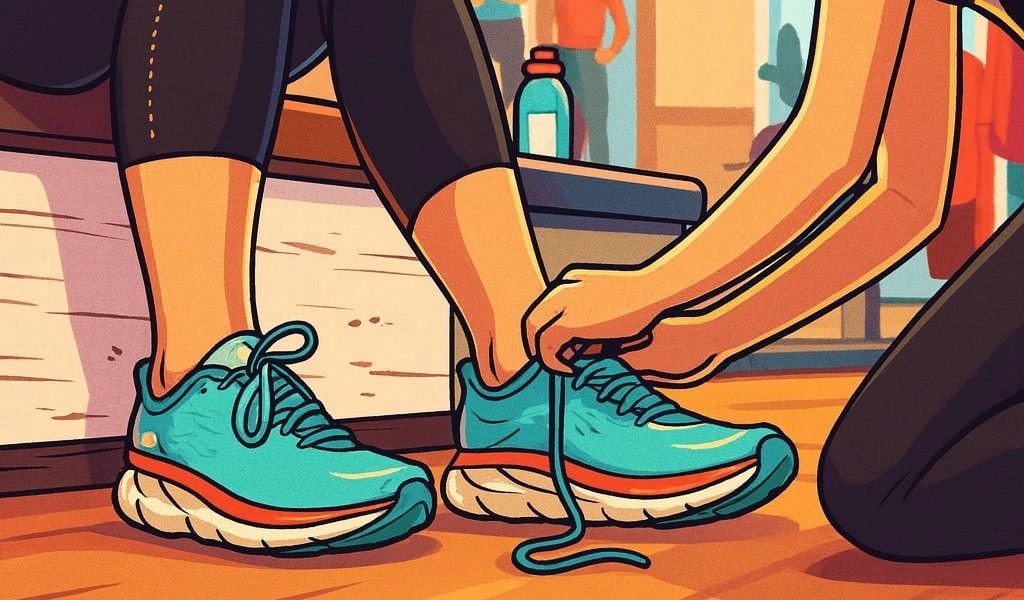
A trained staff member will measure both feet, check your arch length, and sometimes even watch you stand or walk to assess how your foot spreads under weight.
How to Use a Brannock Device
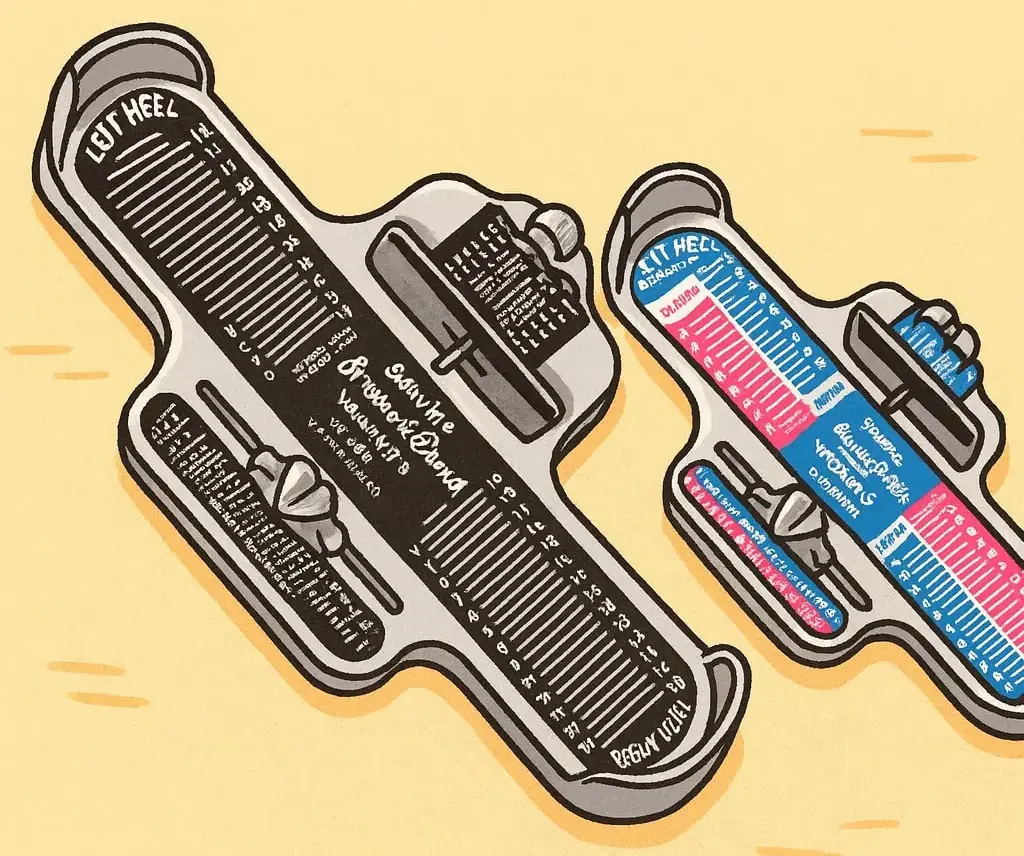
A lot of people only look at heel-to-toe length. The Brannock device also measures heel-to-ball length, which can explain why a shoe feels tight at the forefoot even when the length seems correct.
If you can’t access a store, you can still use a Brannock device at home.
You can purchase one online. When using it:

- Stand up, not sit down.
- Wear the socks you plan to use with the shoes.
- Measure both feet.
- Check heel-to-toe length first.
- Then check heel-to-ball length by aligning the ball of your foot with the device’s indicator.
- Finally, read the width marking.
Your true size is based on standing measurements, not seated ones. Weight-bearing changes everything.
Once you know your Brannock size, use that as your baseline for New Balance. From there, adjust only if the specific model is known to run more tapered or more roomy.
Measure at the Right Time
Measure your feet at the end of the day.
Your feet naturally swell after hours of walking or standing. If you measure them first thing in the morning, you might end up buying a pair that feels tight later.
Wear the type of socks you plan to wear with the shoes. Thick socks will change everything.
Use the Wall Method

You don’t need a Brannock device, although that’s ideal if you can access one.
At home, do this:
- Place a piece of paper flat against a wall.
- Stand with your heel lightly touching the wall.
- Keep your weight evenly distributed.
- Mark the longest point of your foot.
- Measure from the wall to that mark in centimeters.
- Do both feet.
Most people have one foot slightly longer than the other. Always size based on your longer foot.
Measure Width Properly
Length is only half the story with New Balance. Width matters just as much.
To measure width:
- Stand flat on the paper.
- Mark the widest points of your forefoot on both sides.
- Measure that distance across.
- If you consistently feel pressure at the ball of your foot in most shoes, you’re probably wider than standard.
New Balance is one of the few brands that actually offers multiple width options, especially in models like the 990 series. That’s a huge advantage.
Instead of sizing up for width, you may be able to stay true to size and simply choose a wider option.
That’s something most brands don’t give you.
Understand New Balance Width Labels
Here’s where people get confused.
- Men’s standard width is D.
- Women’s standard width is B.
If you see:
- 2E in men’s → that’s wide
- 4E in men’s → extra wide
- 2A in women’s → narrow
If you’ve been sizing up in other brands just to get more width, New Balance may let you stay true to size in length and simply adjust width instead.
Account for the Model You’re Buying
This is where New Balance gets specific.
If you’re buying a roomy model like the 992 or 9060, your true measurement will likely feel comfortable without adjustments.
If you’re buying something more tapered like the 327 or a snugger 991, you may feel more pressure at the forefoot even if the length is correct.
Your measurements don’t change, but the shape of the last does.
Toe Space Rule
I personally like about a thumb’s width of space between my longest toe and the end of the shoe.
New Balance tends to be accurate in length. If your toes are hitting the front, you probably need to size up. If you have excessive empty space and heel slip, you may be in the wrong width or the wrong model.
Roomy does not mean too big. It may simply mean the model is more accommodating.
Consider Your Fit Preference
This part is personal.
Some people want a snug, one-to-one fit, especially if they wear larger sizes and don’t want the shoe to look bulky.
Others want room for toe splay. If you’re on your feet all day or you like a natural foot feel, you may prefer a bit more space up front.
If you use custom orthotics or swap insoles, measure with that in mind. A thicker insole can reduce internal volume quickly.
Try On Properly
When you try New Balance on:
- Lace them fully. Don’t judge the fit unlaced.
- Stand up and walk. Don’t size while sitting.
- Check heel lockdown.
- Pay attention to pressure at the ball of the foot.
Some models soften over time, especially suede and mesh pairs. Stiff leather may loosen slightly but won’t transform dramatically.
Don’t Panic About Minor Variations
Even within the same model, small production differences can exist. A collaboration might feel slightly different due to material choices.
That doesn’t mean your size is wrong. It just means materials and structure can subtly change how the shoe wraps your foot.
New Balance Sizing FAQ
Do New Balance fit true to size?
Yes, most New Balance models fit true to size in length.
Where people get confused is width. Many New Balance silhouettes feel more forgiving through the toe box compared to other brands. That extra space can make them feel bigger, but they usually are not longer than your measured size.
Should you size up or down for a New Balance?
In most cases, you should stay true to size. You might consider sizing up half a size if:
- You have wide feet and the model does not offer wide widths
- You wear thick socks
- You prefer extra toe room
- You might consider sizing down half a size if:
- You have very narrow feet
- The specific model runs noticeably roomy
- You prefer a snug, one-to-one fit
For most people, though, true to size works.
How tight should New Balance shoes be?
New Balance shoes should feel secure but not restrictive.
You should have a small amount of space in front of your longest toe, about a thumb’s width. Your heel should feel stable without slipping excessively. You should not feel strong pressure at the sides of your forefoot.
A slight snug feel is normal in some structured models, but you should not experience numbness, tingling, or sharp pressure. If you do, the width or size is likely wrong.
Is New Balance smaller than Nike?
Generally, no.
New Balance and Nike are usually the same in length. If you wear a US 9.5 in Nike, you will likely wear a US 9.5 in New Balance.
The difference is shape. Many Nike models are more tapered in the forefoot, which can make New Balance feel wider or more relaxed. That does not mean New Balance runs bigger. It simply means it offers more room across the front of the foot.
Is New Balance bigger or smaller than Adidas?
For most people, New Balance and Adidas fit similarly in length.
New Balance often feels slightly more accommodating in width, especially compared to slimmer adidas lifestyle models. In terms of actual sizing, however, most people can wear the same numeric size in both brands.
Unless you already size up or down in adidas for width reasons, you probably will not need to change your size for New Balance.
Why are New Balance sizes so big?
They are not actually bigger in length. They just tend to feel roomier.
New Balance designs many of its shoes with a more natural toe box shape. That extra space for your toes can create the impression that the shoe runs large, especially if you are used to narrow silhouettes.
In addition, New Balance offers multiple width options. If you accidentally buy a wider width, the shoe will naturally feel larger.
Do New Balance stretch?
It depends on the materials.
Mesh and soft suede uppers may soften slightly over time, which can make the shoe feel more comfortable. Leather models, like the 550, may loosen a bit with wear.
However, New Balance shoes do not stretch dramatically in length. If a pair feels too short out of the box, it will likely remain too short.
How do women’s New Balance fit?
Women’s New Balance generally fit true to size within the women’s sizing system.
There is about a 1.5 size difference between men’s and women’s US sizes. For example, a men’s US 6 is roughly equivalent to a women’s US 7.5.
Width matters here as well. Women’s standard width is typically narrower than men’s standard width. If a woman buys a men’s pair, the shoe may feel wider even if the length conversion is correct.
Does the New Balance 530 fit big or small?
The New Balance 530 fits true to size. It has a fairly neutral fit and does not run noticeably big or small. Most people can confidently go with their usual New Balance size.
Are New Balance OK for wide feet?
Yes, New Balance is one of the better brands for wide feet.
Many models, especially in the 990 line, are available in wide and extra wide options. Even standard widths often feel more forgiving than other brands.
If you have wide feet, you may not need to size up. Instead, look for a 2E or wider option if available.
Should I size up or down for New Balance 1000?
The New Balance 1000 fits true to size.
It has a structured, secure feel but does not run small. Most people should stick with their standard size. If you are significantly wide-footed, you may want to try them on first, but sizing up is usually not necessary.
Final Thoughts
After spending time with nearly every major New Balance model, I’ve learned a few key takeaways.
Most New Balance shoes fit true to size in length, but width can make a big difference depending on the silhouette and the materials used.
If you have narrow feet, you can usually stick with your true size, while those with wider feet might want to consider wide-width options or even go up half a size in certain models.
Collabs and special releases sometimes feel a little more forgiving, but the general rule still applies: trust your measurements, pay attention to width, and don’t forget that materials like suede, leather, and mesh will break in differently.
If you’ve tried a pair of New Balance, I’d love to hear what worked for you. Did you stick to your true size, or did you need to size up or down?
Any models that fit surprisingly different from the standard sizing?
Drop your thoughts in the comments. I’m always curious to see how other sneakerheads experience New Balance sizing.